Attic Repair in Orange County: Find the Damage and Fix the Cause
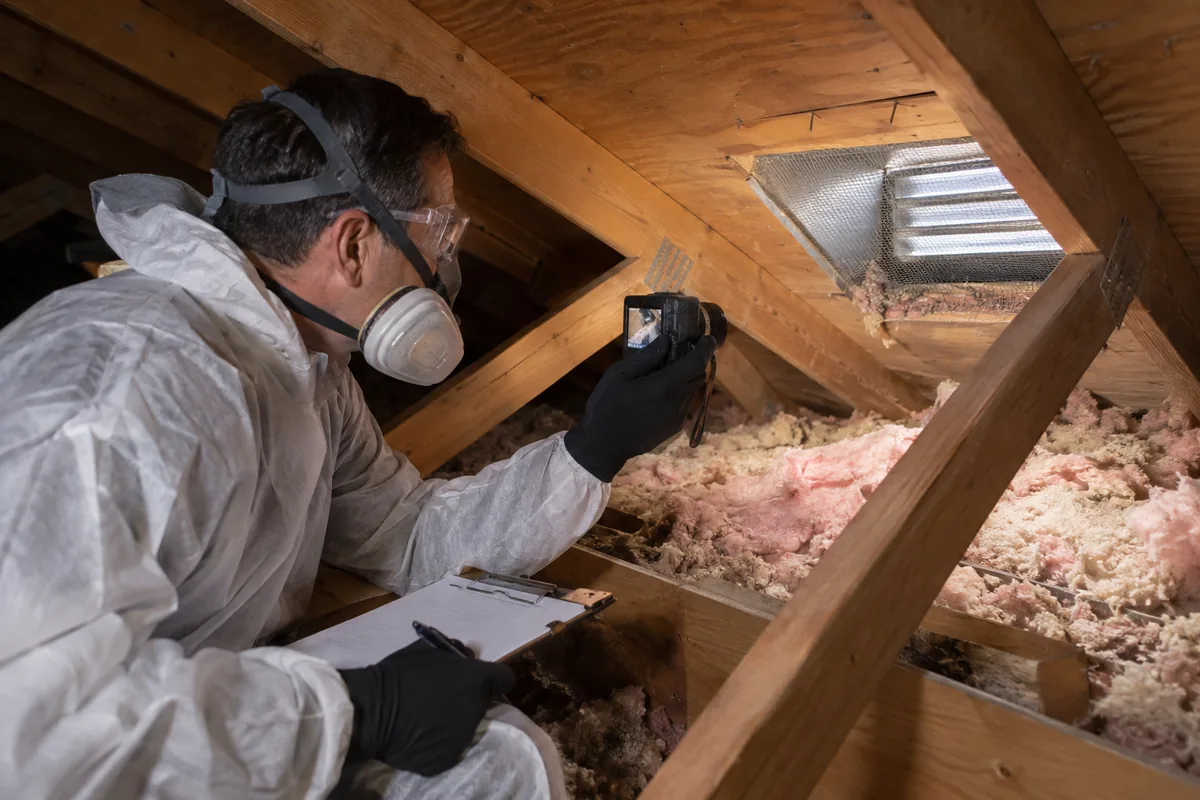
Attic repair in Orange County is easier to plan when the inspection, repair scope, and cause of the damage are considered together. After wildlife activity, visible damage may be only part of the problem: insulation can be disturbed, entry points may remain open, and debris or odor may need attention. The right next step is a documented inspection, not a guess based on one symptom.
Orange County Attic CleanUp & Wildlife Control describes a coordinated service path that can include humane animal removal, cleanup, decontamination, entry-point sealing, and insulation restoration. Request an inspection and quote to understand which steps fit your attic.
What does attic repair in Orange County include?
Attic repair after wildlife damage may include identifying the source of entry, removing an animal if activity is ongoing, addressing affected material, sealing accessible openings, and restoring insulation where needed. The exact scope depends on what an inspection finds; cleanup, repair, and replacement are related but distinct parts of the work.
- Inspect the attic and document visible activity, damage, and possible access points.
- Address active animal activity before restoration work proceeds.
- Remove affected material and clean or treat the area as appropriate.
- Repair or seal in-scope openings, then restore insulation where needed.
That sequence helps prevent a common mistake: cleaning the space while leaving the access point or damaged component unresolved.
Signs your attic may need repair
Some signs point to a need for closer inspection, but they do not confirm the cause or extent of damage by themselves. Look for changes such as:
- New animal sounds, droppings, nesting debris, or a persistent odor near the attic.
- Insulation that appears displaced, compressed, stained, or disturbed.
- Visible gaps near vents, roof edges, or utility openings.
- Damage to ductwork, wiring, or framing that should be evaluated by a qualified professional.
- Repeat wildlife activity after a prior cleanup or repair.
Avoid entering a contaminated or difficult-to-access attic to investigate. For rodent waste, the CDC cleanup guidance says not to sweep or vacuum droppings, urine, or nesting material because particles can become airborne. Follow current public-health guidance and use qualified help when the area is heavily affected or involves insulation and building systems.
What attic repair after wildlife damage can include
“Attic repair” is often used as shorthand for several different tasks. A written scope should separate them so homeowners can see what is being addressed and what may require another specialist.
| Work area | What it addresses | What to clarify |
|---|---|---|
| Animal removal | Active wildlife that may still be in the attic. | Whether removal must happen before cleanup or repair. |
| Cleanup and decontamination | Droppings, nesting debris, affected material, and odor concerns. | Which materials are removed and how affected surfaces are treated. |
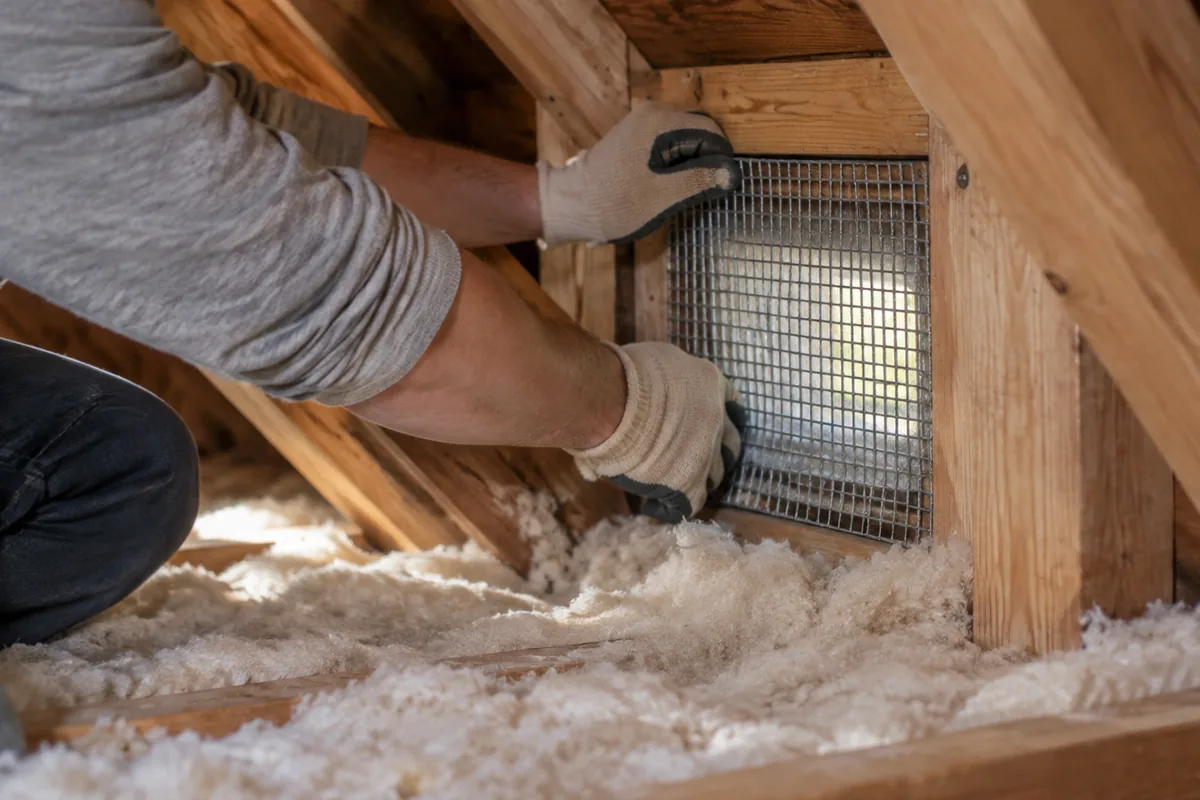
| Entry-point sealing | Accessible openings that may allow wildlife to return. | Which openings are included and how completed work is documented. |
| Insulation restoration | Insulation that is damaged, displaced, or not suitable to retain. | Whether removal is partial or broader, and what replacement is proposed. |
| Structural or building-system concerns | Framing, roofing, wiring, plumbing, or HVAC issues beyond basic cleanup. | Who is qualified to perform each repair and whether another licensed trade is needed. |
Orange County Attic CleanUp & Wildlife Control lists attic decontamination, insulation restoration, entry-point sealing, and structural attic repair among its services. Ask the provider to state which specific repairs are included in the estimate and which require a separate specialist.
How does the attic inspection and repair plan work?
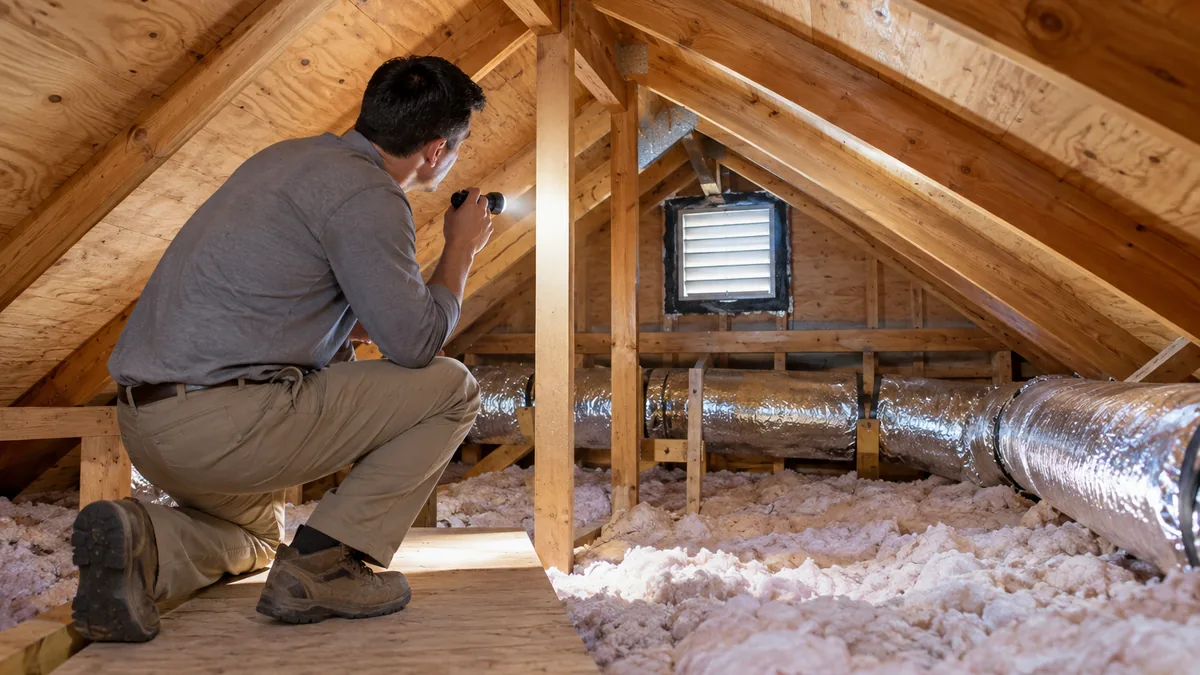
A useful inspection should produce more than a general recommendation. Ask what areas were checked, what evidence was found, which materials need attention, and whether animal activity appears current. Photos or written notes make it easier to understand the findings and compare the proposed scope with the actual condition of the attic.
Before approving work, ask for the estimate to separate removal, cleanup, sealing, insulation, and repair tasks where applicable. Confirm any assumptions about access, disposal, follow-up, and work involving ducts, wiring, plumbing, roofing, or framing. After the job, request a brief closeout summary and photos of completed work when available.
What affects attic repair cost and timing?
There is no reliable flat price or timeline without knowing the attic’s condition. The estimate may change with attic size, access, amount of affected material, insulation condition, number of openings, active animal removal, disposal needs, and the complexity of any repair. Ask the inspector to explain which findings drive the scope and what is optional versus necessary.
Be cautious of quotes that promise a complete repair without inspecting the space or defining what “repair” includes. A clear scope gives you a better basis for comparing estimates than a single headline price.
When should another licensed trade handle attic work?
Some attic issues involve more than wildlife restoration. Exposed or damaged wiring, leaking plumbing, roof defects, compromised structural framing, and HVAC or duct problems may need evaluation by the relevant qualified trade. Do not assume a cleanup or exclusion estimate includes these repairs. Ask who will perform the work, what qualifications apply, and whether the issue needs a separate inspection.
If the damage appears structural or involves a building system, avoid disturbing it until the right professional has assessed it. This keeps the restoration plan focused and helps prevent a small repair question from becoming an unsafe do-it-yourself project.
Attic repair service across Orange County
The website lists service across Orange County communities including Anaheim, Santa Ana, Irvine, Huntington Beach, Garden Grove, Orange, Fullerton, Costa Mesa, Mission Viejo, and Newport Beach. Confirm availability for your specific address when requesting an inspection. The company’s homepage is the only internal service URL verified for this draft; confirm the live contact and related-service URLs before adding more links.
Key Takeaways
- Attic repair after wildlife damage can involve removal, cleanup, sealing, insulation restoration, or separate trade work.
- An inspection and written scope help distinguish those tasks and identify what is actually needed.
- Do not sweep or vacuum rodent waste; use current public-health guidance and qualified help for heavily affected spaces.
- Ask for clear documentation, defined repair boundaries, and confirmation of any work involving building systems.
Plan your attic repair in Orange County
If your attic shows signs of animal activity, damaged insulation, open entry points, or repeat problems, start with an inspection that documents the condition and defines the next steps. Request an inspection and quote from Orange County Attic CleanUp & Wildlife Control or call toll-free at (877) 395-6877 and ask for a clear breakdown of removal, cleanup, sealing, insulation, and any separate repairs.
Should an animal be removed before attic repair?
When an animal is still active in the attic, removal generally needs to be addressed before cleanup and restoration are complete. Otherwise, work may happen around an unresolved source of damage. The inspection should establish whether activity is current and explain how removal, cleanup, sealing, and repair will be sequenced for the property.
Does attic repair include insulation replacement?
Not automatically. Insulation may be retained, repaired, or replaced depending on its condition and the scope of the project. Ask the inspector to identify which areas are affected, why removal is recommended, and whether the estimate covers disposal and replacement. The decision should be based on inspection findings rather than an assumption that every attic needs a full replacement.
How much does attic repair in Orange County cost?
Cost depends on attic size and access, the extent of animal activity, affected insulation or materials, disposal needs, sealing, and any separate repairs. A useful estimate explains those cost drivers and lists the work included. Request an inspection and written scope before comparing quotes; a number without defined tasks is difficult to evaluate fairly.
Can I clean rodent droppings in my attic myself?
Use caution, especially if insulation, nesting material, or a large amount of waste is involved. The CDC advises against sweeping or vacuuming rodent droppings, urine, and nesting materials. Review its current cleanup instructions and contact qualified help for a heavy infestation, difficult access, or contamination involving ducts or other building systems.
How can I tell if attic damage is structural?
Symptoms alone cannot establish whether framing or roof components are structurally damaged. Sagging, broken, or visibly compromised materials should be assessed by a qualified professional rather than diagnosed from a photo or a quick look. Ask for the inspection findings in writing and confirm whether a structural specialist or another licensed trade should evaluate the issue.
Have Questions About Your Attic in Orange County?
Our specialists inspect your attic, identify moisture or rodent entry points, and give you an upfront, no-pressure repair plan.