Crawl Space Cleanup in Orange County: What to Know
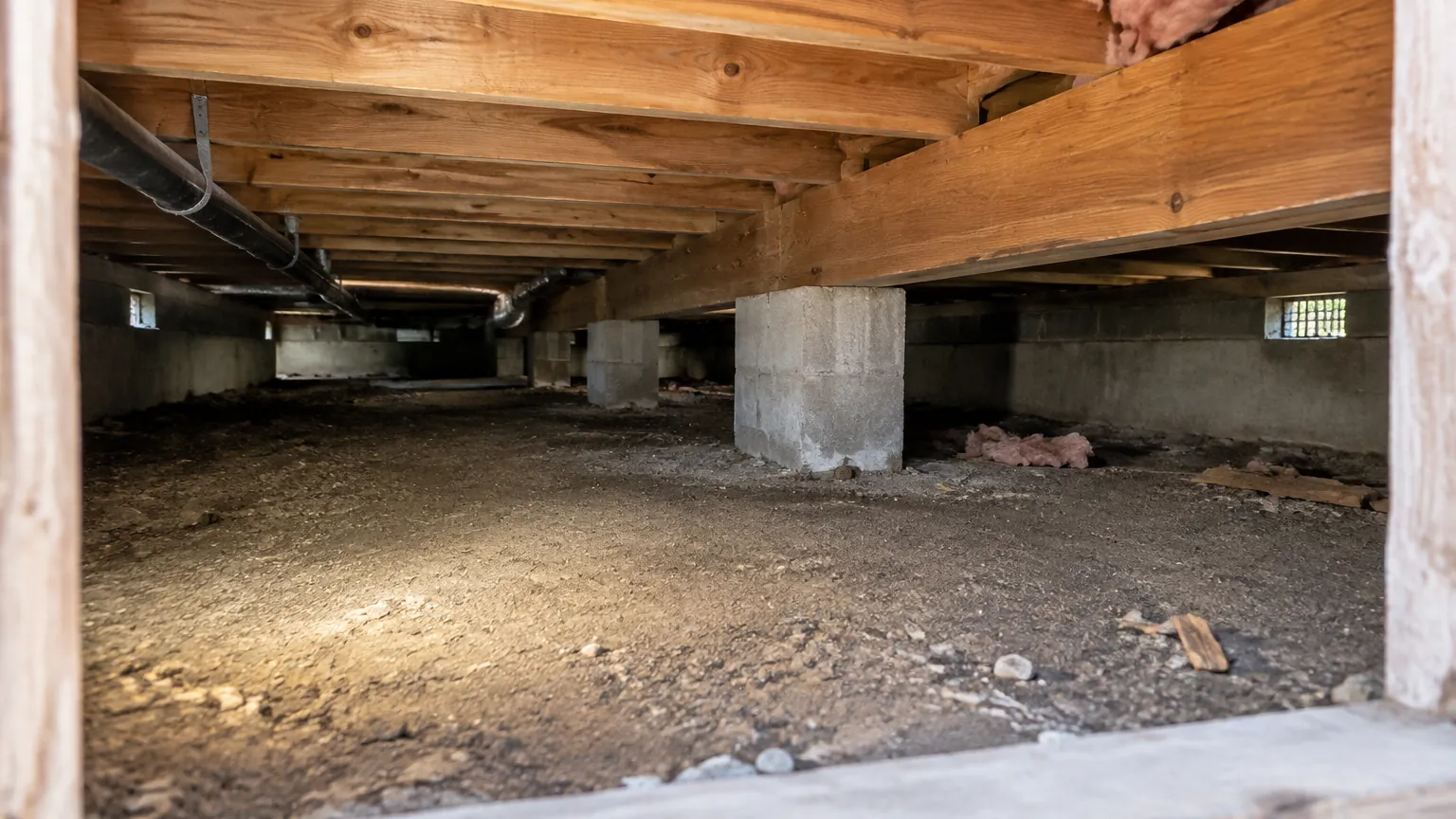
For Orange County homeowners, crawl space cleanup generally means removing loose debris and affected materials from beneath a home, then documenting whether separate work such as sanitation, insulation replacement, animal exclusion, or moisture correction may be needed. The exact scope depends on access and inspection findings. Confirm that a provider offers crawl-space work before treating it as an available service.
Ask Orange County Attic CleanUp & Wildlife Control whether crawl-space inspections are available and what the inspection can cover, or call (877) 395-6877 to speak with a specialist.
What does crawl space cleanup include?
Crawl space cleanup is the removal of loose debris and, when included in the approved scope, affected materials from beneath a home. An inspection can also identify visible signs of animal activity, damaged insulation, access limits, or moisture indicators. Sanitation, repairs, exclusion, and moisture-control work are separate tasks unless the written estimate specifically includes them.
A clear scope should explain what will be removed, how the crew will reach the area, what disposal is included, and what work is excluded. “Cleanup” can mean different things from one contractor to another, so ask for specific deliverables rather than relying on a broad service label.
Common scope items to clarify
- Loose trash, nesting material, or other debris removal.
- Removal of damaged or affected insulation, if offered and included.
- Cleaning of accessible surfaces and whether any sanitation step is specified.
- Separate animal removal, entry-point sealing, moisture correction, or repair work.
When should you consider a crawl-space inspection?
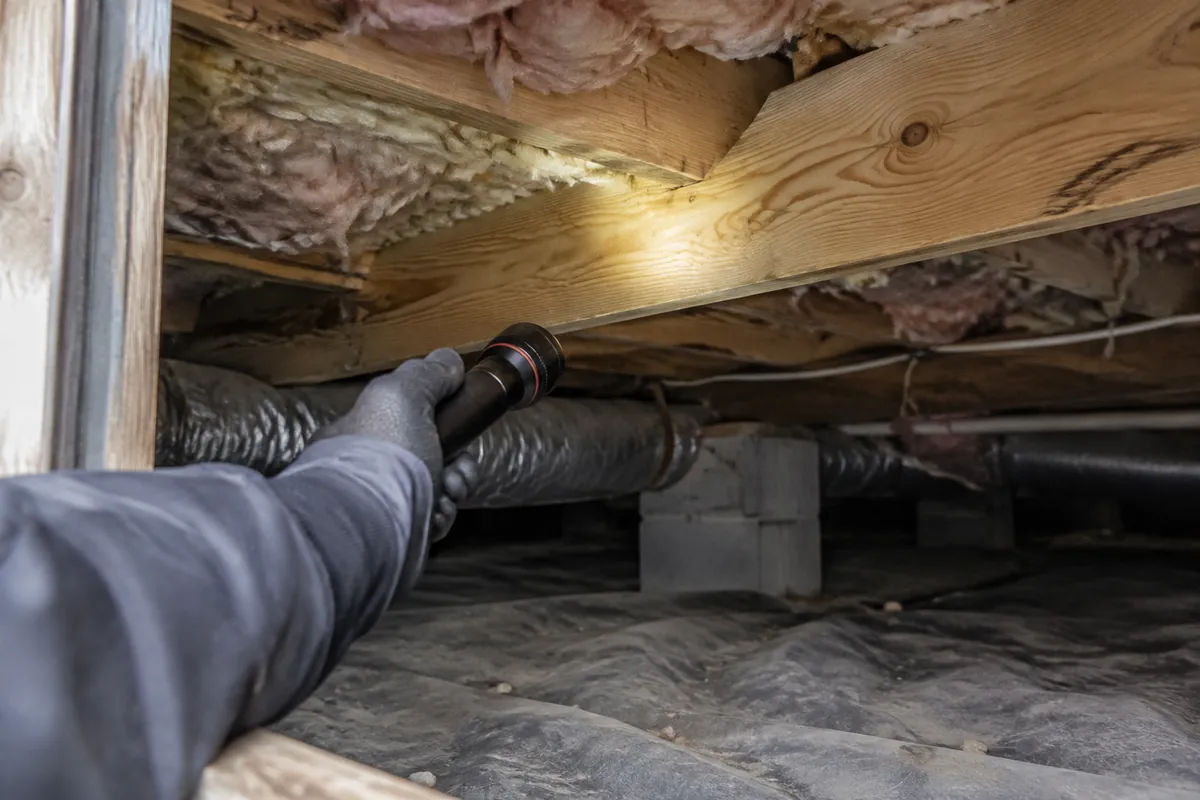
An inspection may be useful when you can see debris near an access opening, notice a persistent odor, find damaged insulation, or suspect animal activity beneath the home. These signs do not establish the source or extent of a problem. A professional assessment can document visible conditions, access constraints, and what should be evaluated next.
Do not enter a cramped or unsafe space just to investigate. If you find rodent droppings or nesting material, avoid sweeping or vacuuming it. The CDC’s guidance on cleaning up after rodents explains safer cleanup precautions and calls for additional measures in heavy infestations.
How does the cleanup process work?
A well-scoped crawl-space cleanup starts with inspection and ends with a written record of completed work and any separate next steps. The sequence matters: active animal access or other contributing conditions may need attention before material removal, and sanitation or restoration should not be assumed to be part of basic debris cleanup.
- Inspect and document: Review safe access, visible debris, insulation condition, animal evidence, and any obvious moisture indicators. Ask whether photos or a written scope will be provided.
- Address active animal activity: If animals are still entering or occupying the space, ask whether qualified wildlife or rodent removal is needed first and whether that work is offered by the same provider.
- Remove agreed materials: Confirm which debris or affected materials are included, how the crew will protect the home, and how waste will be handled.
- Complete only the approved cleaning: Ask what surfaces will be cleaned and whether a sanitation product or method is part of the quote. Do not assume a treatment is included because a page says “cleanup.”
- Review follow-up recommendations: Get separate scope and pricing for insulation, sealing, moisture correction, or repairs if those are recommended.
For large or heavy rodent infestations, contamination near HVAC components, or an area with restricted access, use qualified professionals and follow applicable public-health and workplace guidance. A short site visit should not be treated as proof that hidden conditions have been resolved.
What affects crawl space cleanup cost?
There is no reliable price to quote from a keyword or a few photos alone. An estimate depends on the amount and type of material, access, labor, disposal, and whether the requested work goes beyond a basic cleanout. Ask for a written breakdown so you can compare equivalent scopes.
| Estimate factor | Why it can change the scope |
|---|---|
| Access and clearance | Entry size, working room, and obstacles affect how the area can be inspected and reached. |
| Area and material volume | A larger space or more debris may require additional labor and disposal. |
| Material condition | Loose debris, nesting material, and damaged insulation may require different handling. |
| Animal activity | Removal or exclusion may be separate from cleaning and may need to happen first. |
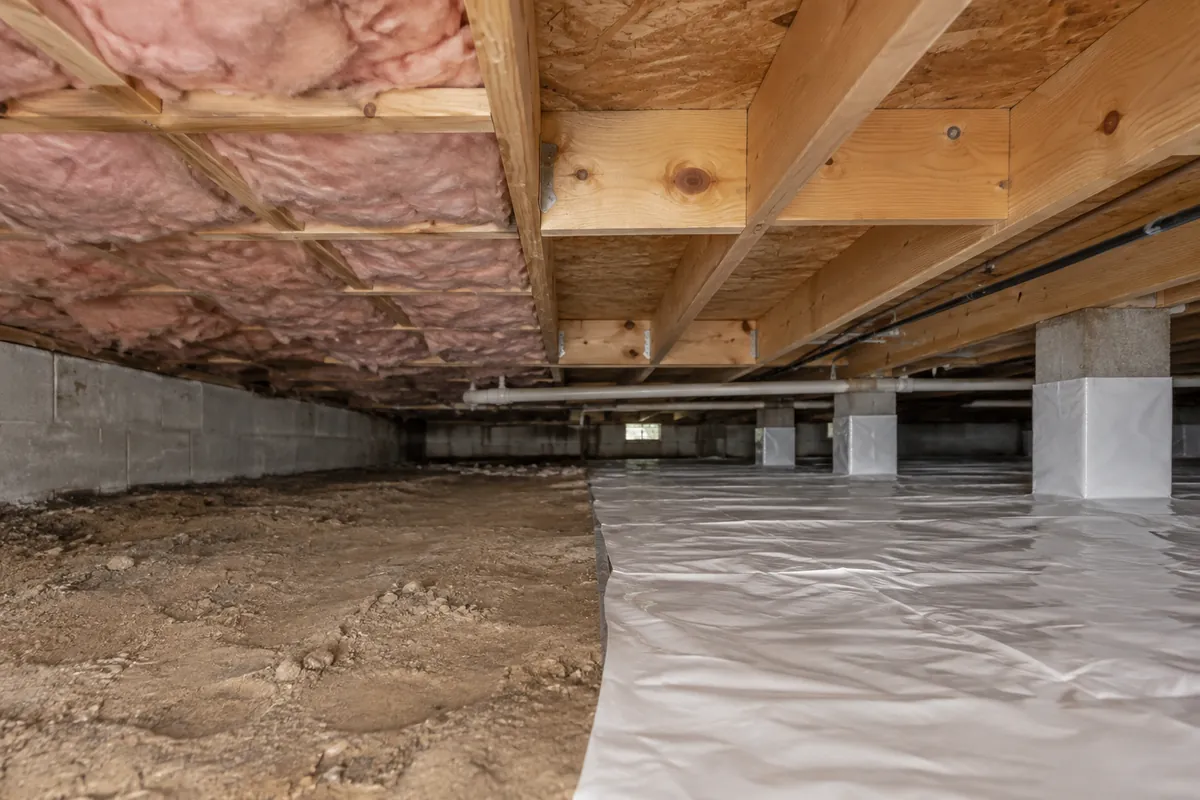
| Additional repairs | Insulation, moisture control, vapor barriers, or structural work should be itemized separately. |
Before approving work, check whether the estimate lists the areas covered, exclusions, disposal, access limitations, and what happens if the crew finds conditions that were not visible during the inspection. Do not rely on an unverified price range; request a scope based on the actual property.
Cleanup, sanitation, exclusion, and restoration are different
These terms describe different work. Some homes need only debris removal; others may need follow-up after an animal issue or damaged materials. The table below is a comparison guide, not a promise that any one contractor offers every service.
| Work type | Typical purpose | What to confirm |
|---|---|---|
| Debris cleanup | Remove loose debris and agreed materials. | Which materials, rooms, and disposal steps are included? |
| Sanitation | Address specified contamination on accessible surfaces. | Which surfaces and method are covered, and what is excluded? |
| Animal removal or exclusion | Address active animals or access points that allow re-entry. | Is this separate work, and does it happen before cleanup? |
| Insulation or moisture restoration | Replace or correct materials or conditions beyond basic cleaning. | Is a specialist assessment or separate contractor needed? |
What should you ask before approving an estimate?
Use these questions to make sure the quote matches the problem and the work you expect:
- Does the company currently provide crawl-space cleanup in my city?
- What specific material will be removed, and what disposal is included?
- Is animal removal, sanitation, insulation replacement, sealing, or moisture work included or separate?
- Can I review photos, the written scope, and any access limitations before work begins?
- How will additional work be approved if hidden conditions are found?
A clear answer should separate observed conditions from recommendations and distinguish included work from optional or specialist work. If the quote uses broad terms such as “complete restoration,” ask for the individual tasks and materials in writing.
Crawl space cleanup in Orange County: what to check locally
Service-area statements may apply to one type of work but not another. The client homepage advertises animal removal across Orange County and describes attic cleanup and restoration, but it does not currently confirm crawl-space cleanup. Ask whether the team accepts crawl-space projects in your city, what the inspection covers, and whether any follow-up work is performed in-house or referred elsewhere.
Use the company’s published homepage or call (877) 395-6877 to confirm current contact and inspection details. Do not assume that a general free-inspection offer applies to crawl-space work until the team verifies it.
Key Takeaways
- “Crawl space cleanup” can mean different work, so compare written scopes rather than service labels.
- Debris removal, sanitation, animal exclusion, insulation, and moisture correction are not automatically one service.
- Do not sweep or vacuum rodent droppings; follow the CDC’s cleanup guidance and seek qualified help for heavy infestations.
- Ask about access, disposal, exclusions, and approval for additional work before signing.
- Confirm that crawl-space work is available in your Orange County city before relying on a general service-area or inspection claim.
Confirm the right next step
A useful crawl space cleanup plan starts with a verified service offering, an inspection that documents visible conditions, and an estimate that separates cleanup from any additional work. Orange County Attic CleanUp & Wildlife Control currently describes animal removal, attic decontamination, and insulation restoration on its homepage; crawl-space service availability still needs confirmation.
Contact Orange County Attic CleanUp & Wildlife Control to ask whether crawl-space cleanup is available, whether your location is covered, and what an inspection can include, or call (877) 395-6877. The homepage advertises a free inspection and quote for its listed services, but confirm whether that offer applies to crawl-space work.
What does crawl space cleaning usually remove?
Depending on the written scope, cleaning may remove loose debris, dirt, nesting material, or other agreed materials beneath the home. Damaged insulation, rodent waste, and contaminated surfaces may require specific handling or separate sanitation work. Ask the provider to list exactly what will be removed and how disposal is handled.
How do I know if I need cleaning or sanitation?
Visible loose debris may point to a cleanout need, while rodent evidence or affected materials may call for a more specific assessment. A homeowner should not diagnose contamination from odor alone. Ask the inspector to document what is visible, explain the recommended method, and separate sanitation from debris removal in the estimate.
Should cleanup happen before insulation replacement?
When insulation is damaged or affected, the work sequence should be set by an inspection and the approved scope. In many projects, removing agreed debris or affected material comes before installing replacement material, but the appropriate order depends on access and conditions. Ask the contractor to explain the sequence and any prerequisites in writing.
How much does crawl space cleanup cost?
Cost depends on factors such as crawl-space size, access, material volume, disposal, insulation condition, and whether animal removal, sanitation, or repairs are also needed. A reliable estimate should describe the included work rather than offer a generic price for every home. Request an itemized scope and ask how changes are approved.
How long does crawl space cleanup take?
Timing varies with the size and accessibility of the space, the amount of material, and whether additional work is approved. No project duration can be confirmed without the provider’s inspection and schedule. Ask for an expected work window, what could change it, and whether separate repair or restoration work requires another visit.
Can one estimate include rodent removal and entry-point sealing?
Some providers offer animal removal, cleanup, and exclusion together, while others use separate crews or contractors. These services should be listed as distinct line items so you can see what is included and in what order it will happen. Confirm that the provider offers each item at your address before approving the estimate.
Have Questions About Your Attic in Orange County?
Our specialists inspect your attic, identify moisture or rodent entry points, and give you an upfront, no-pressure repair plan.