How Do I Get Squirrels Out of My Attic Safely?
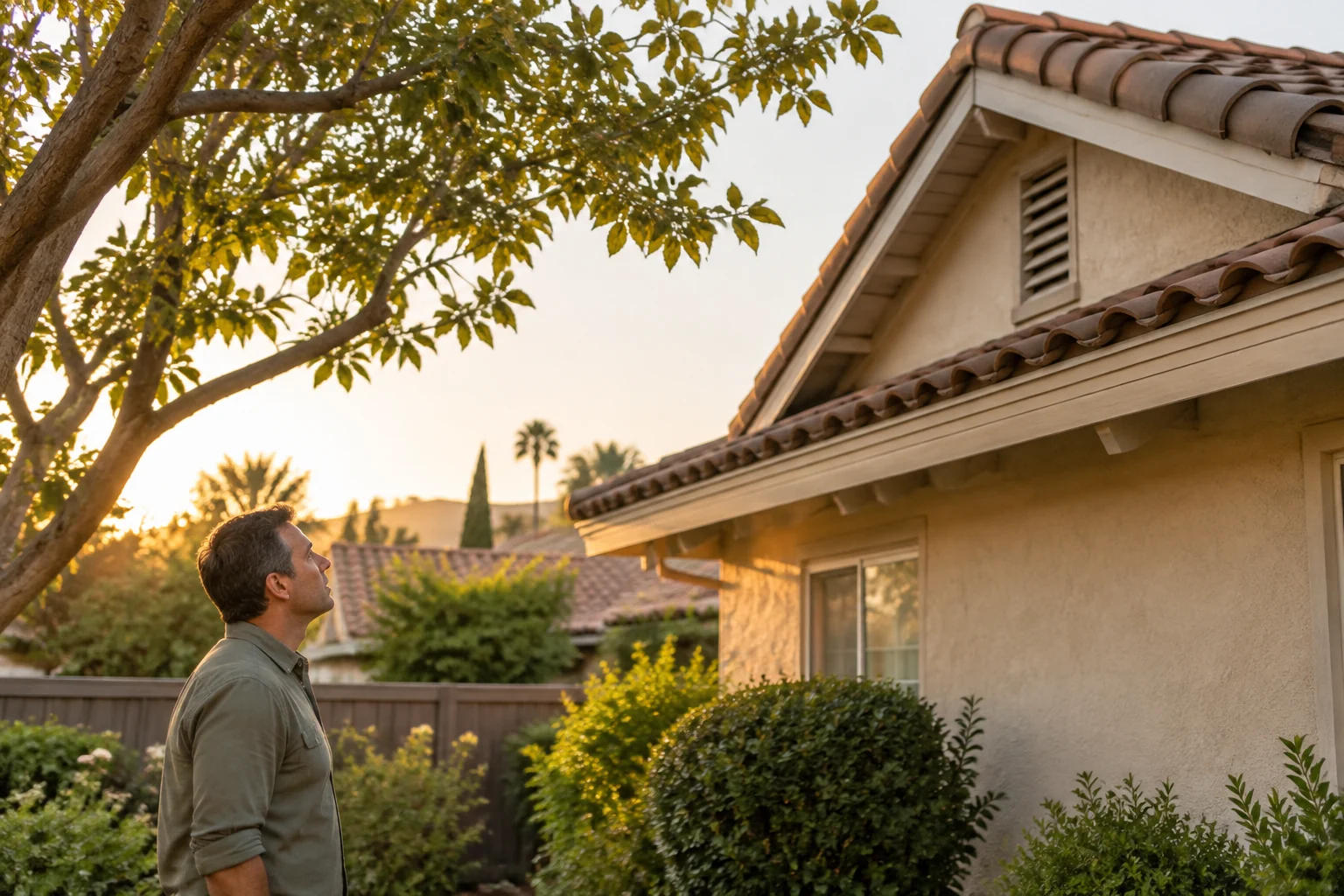
If you are asking, “How do I get squirrels out of my attic?”, start with one rule: do not seal the opening yet. Keep people and pets away, watch the roofline from a safe spot on the ground, and arrange an inspection to confirm the animal, check for young, and plan lawful removal and exclusion. Repair the entry only after the attic is confirmed clear.
That order matters. A rushed patch can trap a squirrel inside, push it to chew a new hole, or leave young behind. This guide walks Orange County homeowners through the safe sequence, the California rules that change the answer, and what to check once the squirrels are gone.
Hearing scratching overhead right now? Schedule a free attic inspection with Orange County Attic CleanUp or call (877) 395-6877.
Quick Answer: How Do I Get Squirrels Out of My Attic?
The safe way to get squirrels out of an attic follows five steps in order. Skipping ahead, especially sealing too early, is the most common reason the problem gets worse.
- Confirm the signs. Note when you hear activity and look for roofline damage from the ground.
- Check for young. Assume a nest may be present until someone qualified confirms otherwise.
- Choose a lawful removal or exclusion plan. California rules depend on the squirrel species and the method.
- Confirm the attic is empty. Permanent repairs come only after no animals remain inside.
- Repair, clean, and prevent. Seal entry points with chew-resistant materials, then assess insulation and debris.
What Are the Signs of Squirrels in an Attic?
The clearest sign of squirrels in an attic is daytime activity. Tree squirrels are active during the day and are most active in early morning and late afternoon, according to the UC Statewide IPM Program’s tree squirrel guidance. Rats and many other attic animals are more active at night.
Daytime Activity, Scratching, and Roofline Clues
Common clues include:
- Scampering, scratching, or rolling sounds above the ceiling around sunrise or late afternoon
- Squirrels running along power lines, fence tops, or tree branches that reach the roof
- Chewed fascia boards, torn vent screens, or gaps where roof sections overlap
- Nesting material such as leaves, shredded insulation, or twigs near an opening
- Disturbed or matted insulation, droppings, or a lingering odor in the attic
When Another Animal May Be Responsible
Sound alone cannot confirm the species. Night noise may point to rats, mice, raccoons, or opossums, and each needs a different plan. Before choosing any removal method, have the animal identified. That one step affects which California rules apply and which repairs make sense.
What Should I Do First If I Hear Squirrels in the Attic?
The first thing to do is nothing risky. Keep people and pets away from the attic, do not touch or corner the animal, stay off the roof, and do not block any hole. Then observe from a safe place and call a qualified professional to inspect.
What You Can Safely Observe From the Ground
- Times of day you hear activity, written down for the inspection
- Where squirrels appear on the roof, gutters, or nearby trees
- Visible damage on eaves, fascia, vents, or roof edges
- Any sounds of young, such as faint squeaking from one area
Phone photos taken from the ground are useful. Climbing a ladder or entering a cramped attic to get a closer look is not worth the fall or bite risk.
When to Stop and Call a Professional
Call for an inspection right away if you cannot confirm the species, you hear possible young, the entry is high or hard to reach, an animal seems trapped inside the living space, or you suspect chewed wiring. These situations need trained eyes, proper protective gear, and a plan that follows California law.
Not sure what you are hearing? Call (877) 395-6877 for a free inspection and let a trained technician confirm what is in your attic before anything gets sealed.
How Can Squirrels Be Removed Without Trapping Them Inside?
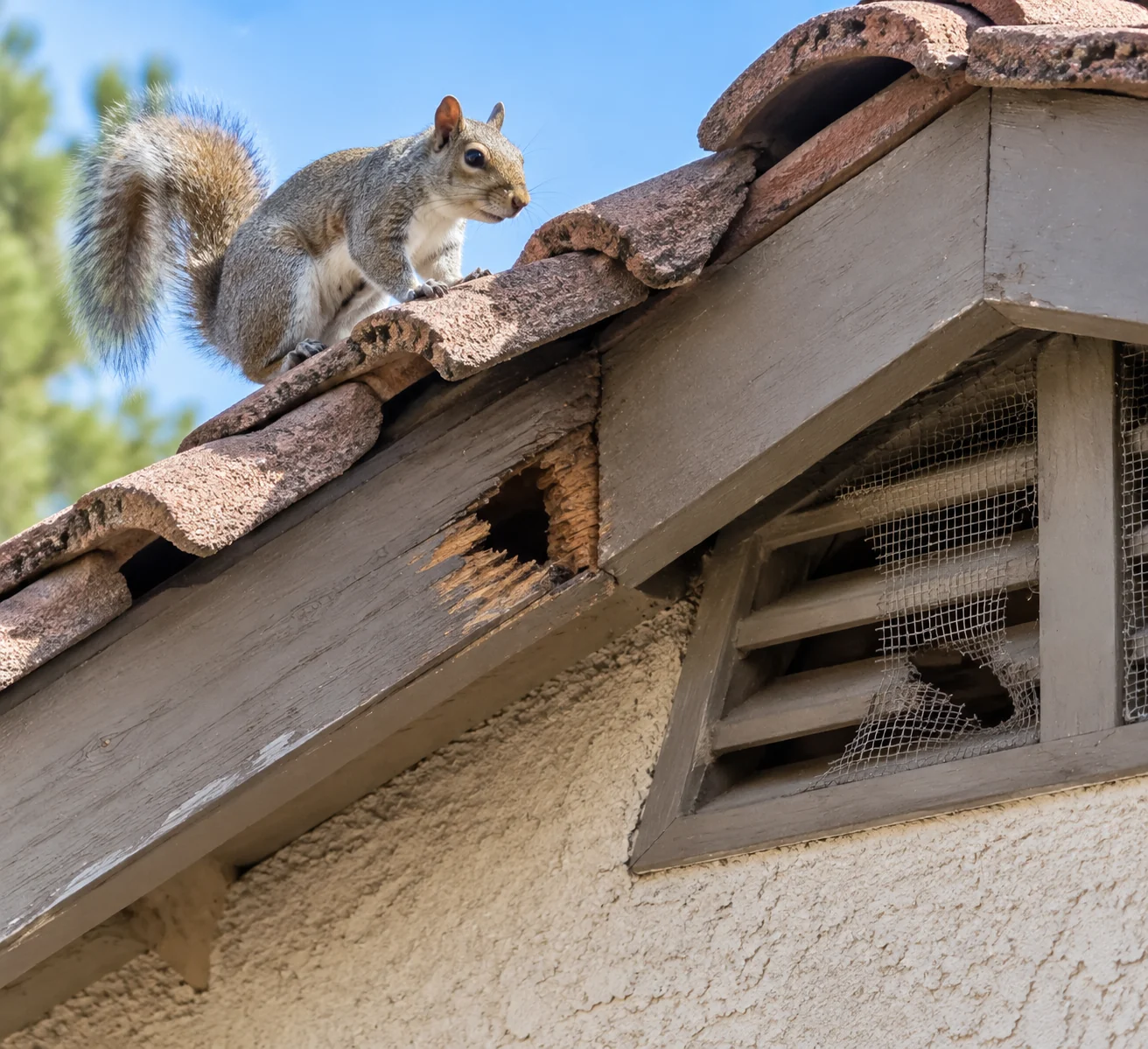
Squirrels are removed without being trapped inside by following a set order: inspect the attic and the exterior together, check for dependent young, choose a lawful method, confirm the space is empty, and only then close the openings for good.
Check for a Nest or Dependent Young Before Exclusion
Tree squirrels breed in late winter or spring and can have one or two litters a year, usually three to five young, according to UC IPM. If adults are excluded while young are still inside, the young cannot survive on their own, and the adult may chew a new hole to get back in. A professional inspection should account for possible young before any opening is closed.
Use Exclusion Only After the Situation Is Assessed
Exclusion means letting squirrels leave while preventing them from coming back. It can be effective, but it is not a universal fix. The right approach depends on the species, the number of entry points, whether young are present, and the roof structure. A technician should choose the method on site rather than following a one-size-fits-all plan.
Confirm the Attic Is Empty Before Permanent Repairs
UC IPM advises making sure no animal is inside before closing entry routes. Professionals monitor openings for activity before final sealing. Permanent repairs should wait until the attic is confirmed clear, since sealing an occupied space can cause new damage and odor problems.
Can I Trap or Relocate a Squirrel in California?
In most cases, you should not trap or relocate a squirrel yourself in California. Tree squirrels are classified as game mammals, rules vary by species, and releasing a tree squirrel elsewhere is illegal without a proper permit from the California Department of Fish and Wildlife (CDFW).
Why California Species Identification Matters
California has both native and non-native tree squirrels. The non-native eastern fox squirrel is the most common pest around homes in urban and suburban areas, and UC IPM notes it may be controlled by the property owner when it is injuring property. Gray squirrels are different: an owner whose property is being damaged must apply to CDFW for a permit. Because the rules change with the species, identification comes before any removal decision. The CDFW squirrel conflict page lists the species found in the state.
Why Not to Use Poison or Move a Squirrel Elsewhere
- Poison: It is not legal to use poison baits to kill any tree squirrel species in California, per UC IPM. Poison can also leave a carcass inside walls or the attic.
- Relocation: CDFW states that wildlife cannot be trapped and released elsewhere.
- Repellents and scare devices: UC IPM calls repellent effectiveness questionable and notes squirrels quickly get used to lights and noise.
This section is general information, not legal advice. Rules can change, so check current CDFW guidance or work with a qualified local professional.
What Damage Should I Check After Squirrels Leave?
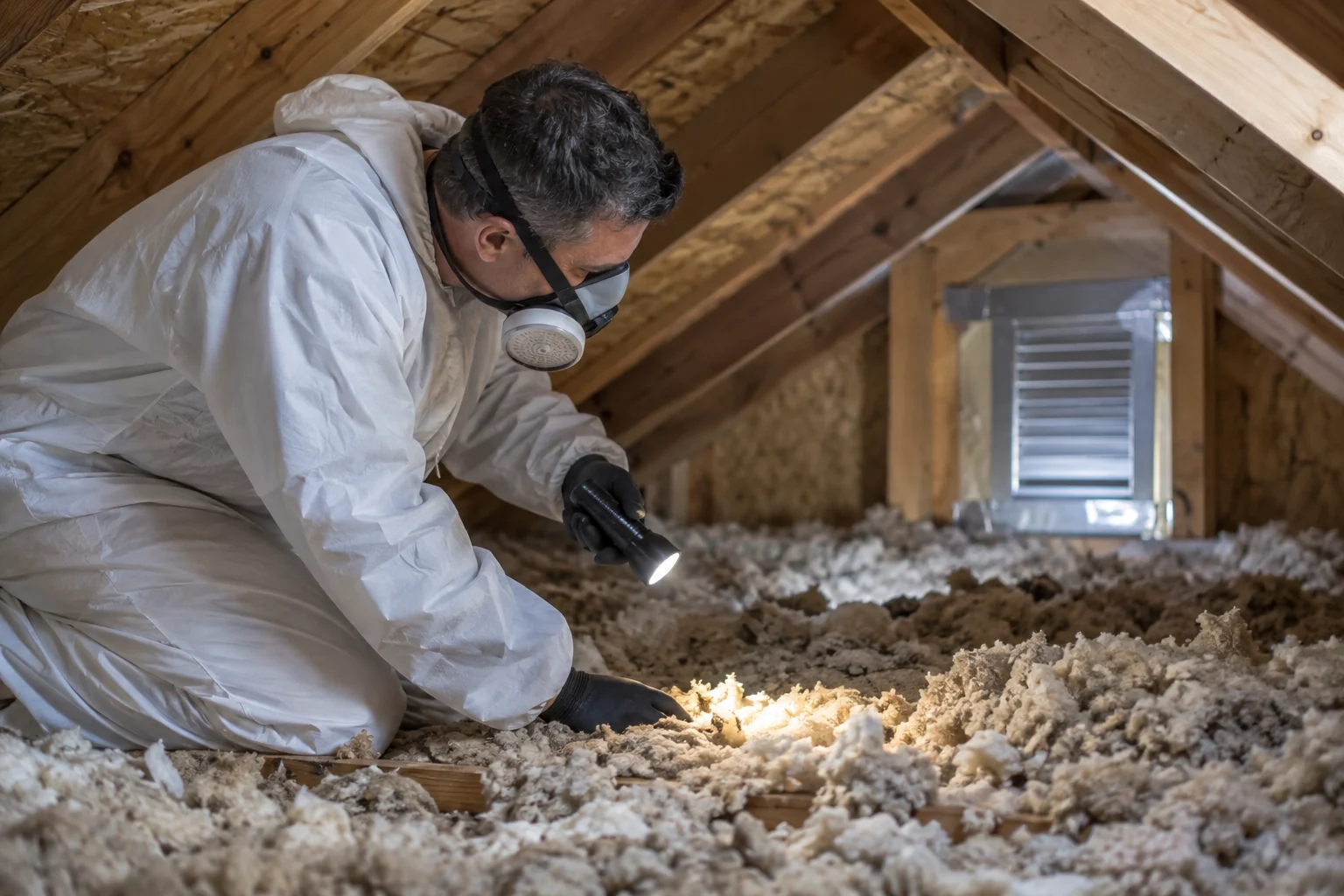
After squirrels leave, check entry holes, chewed wood and vents, nesting debris, droppings, disturbed insulation, and any odor. Squirrels can gnaw on cables and chew into wooden structures, and UC IPM notes tree squirrels can carry diseases such as tularemia and ringworm and are often infested with fleas and mites. Avoid handling debris with bare hands.
When to Request Attic Cleanup or Insulation Assessment
Not every attic needs full restoration. Ask for a cleanup and insulation assessment when you see nesting material spread across the attic, matted or soiled insulation, droppings in several areas, or a smell that drifts into living spaces. Our team handles attic decontamination and insulation restoration, so the inspection can scope removal, cleanup, and repair together. Learn more about attic decontamination and insulation restoration in Orange County.
When a Qualified Electrician Should Inspect Wiring
If you find chewed wire insulation, flickering lights, or tripped breakers after squirrel activity, have a licensed electrician inspect the wiring. Wildlife technicians can point out visible damage, but electrical repairs belong to an electrician.
How Do I Keep Squirrels From Coming Back?
To keep squirrels from coming back, close every confirmed entry point with chew-resistant material once the attic is empty, and remove easy routes to the roof. UC IPM recommends sheet metal or 1/4-inch wire hardware cloth for closing entrances.
Common Roofline and Vent Entry Points
| Entry Point | What to Look For | Typical Fix |
|---|---|---|
| Eaves and fascia | Chewed or rotted boards, small gaps | Replace wood, add metal flashing |
| Attic and gable vents | Torn or loose screens | Heavy-gauge vent screening |
| Roof edges and tile gaps | Openings where roof sections overlap | Sealed edge closures |
| Utility penetrations | Gaps around pipes or cables | Hardware cloth or metal collars |
| Overhanging trees | Branches reaching the roof | Trim branches back from the roofline |
Why Foam or a Temporary Patch Is Not a Complete Repair
Squirrels can enlarge small openings by gnawing, so expanding foam, tape, or thin screening rarely lasts. A durable repair uses materials suited to the roof type and is done after the attic is confirmed empty. Trimming tree limbs that touch the roof also removes a common highway onto the house.
When Should I Call an Orange County Squirrel Removal Professional?
Call a squirrel removal professional in Orange County when the species is uncertain, young may be present, the entry is high or hidden, wiring may be damaged, or the attic needs cleanup. A single inspection can sort out all five issues at once.
Orange County Attic CleanUp provides humane wildlife removal, entry-point sealing, attic decontamination, and insulation restoration in one process. We serve communities across Orange County, including Anaheim, Irvine, Santa Ana, Huntington Beach, Costa Mesa, Mission Viejo, and Newport Beach.
Key Takeaways
- Do not seal an attic opening until the squirrels, and any young, are confirmed out.
- Daytime noise, chewed fascia, and torn vent screens are common squirrel signs, but species should be confirmed.
- California rules vary by squirrel species; poison is illegal for tree squirrels and relocation requires a CDFW permit.
- After removal, check insulation, debris, and wiring, then repair entry points with chew-resistant materials.
- A professional inspection covers identification, removal planning, sealing, and cleanup in one visit.
Squirrel-in-the-Attic Questions
How much does squirrel removal cost?
Squirrel removal cost depends on the number of entry points, roof access, whether young are present, the repairs needed, and how much cleanup or insulation work the attic requires. Because those factors vary widely, a fair price comes from an on-site inspection. Orange County Attic CleanUp offers a free inspection and quote so you know the scope before work begins.
Will squirrels leave the attic on their own?
Squirrels may come and go daily, but an attic with shelter and an easy entry often stays occupied, especially during nesting season. Waiting can allow more damage to insulation and wood. The safer approach is to have the activity assessed, plan removal around any young, and seal openings only after the attic is confirmed empty.
Is a one-way door always the right answer?
No. One-way exclusion devices can work, but they are not right for every situation. If young are inside, excluding the adult can leave them stranded and push the mother to chew a new entry. Roof structure and multiple openings also matter. A technician should decide on the method after inspecting the attic and roofline.
Can I use poison to get rid of squirrels in my attic?
No. It is not legal to use poison baits on any tree squirrel species in California, according to UC IPM. Poison also risks pets and other wildlife and can leave a dead animal inside the attic or walls, creating odor and cleanup problems. A lawful removal and exclusion plan is the safer route.
How do I know if there are baby squirrels in my attic?
Possible signs include faint, high-pitched squeaking from one spot, an adult returning to the same opening repeatedly, and activity during late winter or spring, when tree squirrels breed. You cannot always confirm young from outside, so assume they may be present and let a professional inspect before any opening is closed.
Do squirrels damage attic wiring and insulation?
They can. Squirrels gnaw to keep their teeth worn down and may chew cables, wood, and vent screens. They also shred and compress insulation for nesting and leave droppings behind. Not every attic has severe damage, but an inspection after removal shows whether cleanup, insulation replacement, or an electrician’s review is needed.
Are squirrel repellents or noise devices effective?
Generally, not for long. UC IPM reports that chemical repellent effectiveness is questionable and that squirrels quickly become used to light and sound devices, often within a couple of days. These products are not a removal plan. Identifying entry points and sealing them after confirming the attic is empty is far more reliable.
Get Squirrels Out of Your Attic the Safe Way
The answer to “how do I get squirrels out of my attic” is not a quick patch or a store-bought trap. It is a careful order: confirm the animal, protect any young, follow California rules, confirm the attic is empty, then repair and clean. That sequence protects your family, your home, and the wildlife.
Orange County Attic CleanUp can handle every step, from inspection and humane removal to sealing entry points and restoring insulation. Call (877) 395-6877 to book your free attic inspection or visit Orange County Attic CleanUp to get started.
How much does squirrel removal cost?
Squirrel removal cost depends on the number of entry points, roof access, whether young are present, the repairs needed, and how much cleanup or insulation work the attic requires. Because those factors vary widely, a fair price comes from an on-site inspection. Orange County Attic CleanUp offers a free inspection and quote so you know the scope before work begins.
Will squirrels leave the attic on their own?
Squirrels may come and go daily, but an attic with shelter and an easy entry often stays occupied, especially during nesting season. Waiting can allow more damage to insulation and wood. The safer approach is to have the activity assessed, plan removal around any young, and seal openings only after the attic is confirmed empty.
Is a one-way door always the right answer?
No. One-way exclusion devices can work, but they are not right for every situation. If young are inside, excluding the adult can leave them stranded and push the mother to chew a new entry. Roof structure and multiple openings also matter. A technician should decide on the method after inspecting the attic and roofline.
Can I use poison to get rid of squirrels in my attic?
No. It is not legal to use poison baits on any tree squirrel species in California, according to UC IPM. Poison also risks pets and other wildlife and can leave a dead animal inside the attic or walls, creating odor and cleanup problems. A lawful removal and exclusion plan is the safer route.
How do I know if there are baby squirrels in my attic?
Possible signs include faint, high-pitched squeaking from one spot, an adult returning to the same opening repeatedly, and activity during late winter or spring, when tree squirrels breed. You cannot always confirm young from outside, so assume they may be present and let a professional inspect before any opening is closed.
Do squirrels damage attic wiring and insulation?
They can. Squirrels gnaw to keep their teeth worn down and may chew cables, wood, and vent screens. They also shred and compress insulation for nesting and leave droppings behind. Not every attic has severe damage, but an inspection after removal shows whether cleanup, insulation replacement, or an electrician’s review is needed.
Are squirrel repellents or noise devices effective?
Generally, not for long. UC IPM reports that chemical repellent effectiveness is questionable and that squirrels quickly become used to light and sound devices, often within a couple of days. These products are not a removal plan. Identifying entry points and sealing them after confirming the attic is empty is far more reliable.
Have Questions About Your Attic in Orange County?
Our specialists inspect your attic, identify moisture or rodent entry points, and give you an upfront, no-pressure repair plan.