How to Get Rid of a Raccoon in Your Attic Safely
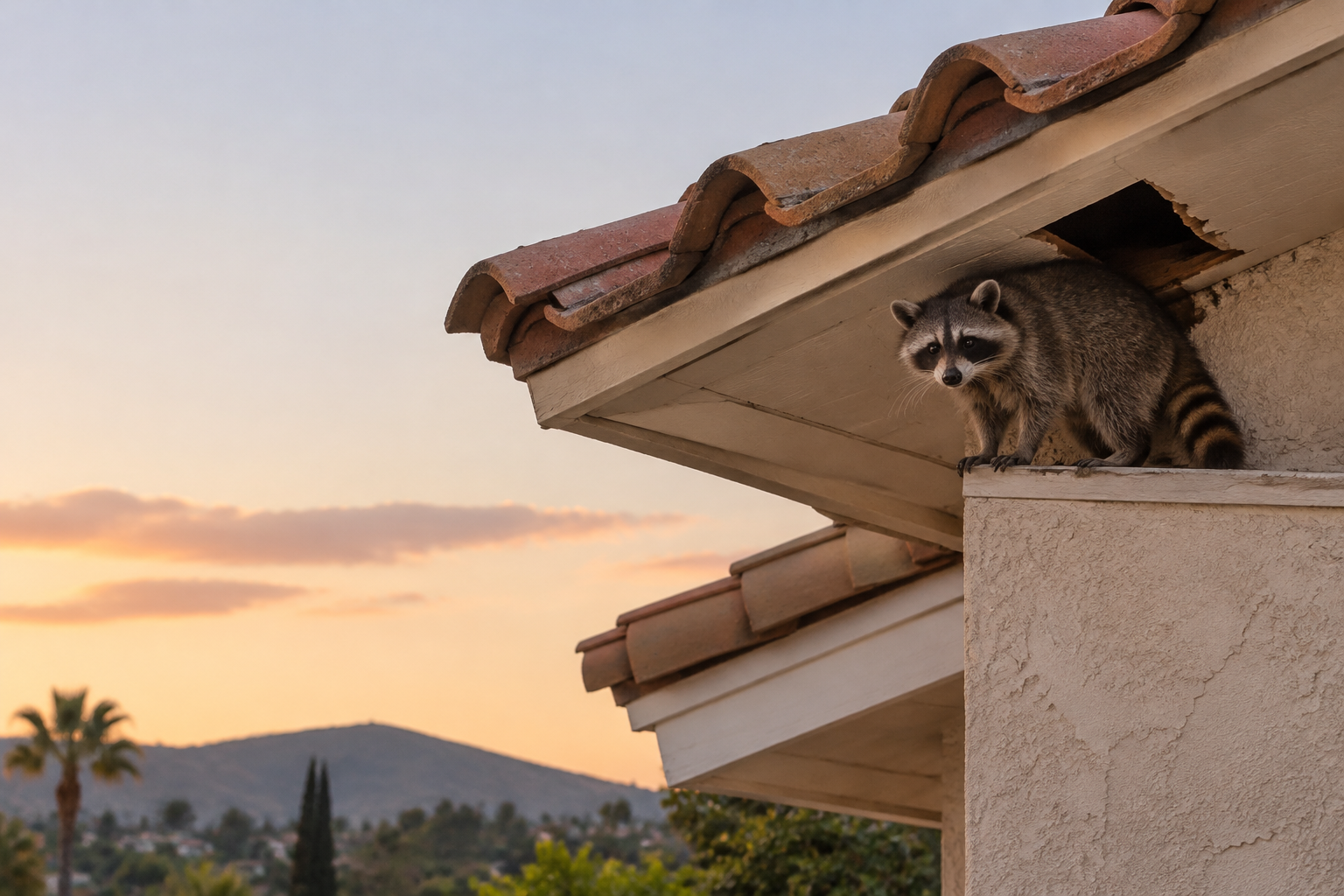
A raccoon in the attic can turn a quiet night into an urgent question: how to get rid of a raccoon in the attic without trapping it inside or separating a mother from young. The safest first move is not to chase or frighten it. Keep people and pets away, avoid entering the attic or sealing a suspected opening, and arrange an inspection.
Orange County Attic CleanUp & Wildlife Control describes humane wildlife removal, attic decontamination, and insulation restoration for Orange County properties. The guide below explains what homeowners can do safely now, what requires a professional assessment, and why removal, exclusion, and cleanup should be planned together.
On this page:
What to Do First if You Hear a Raccoon in the Attic
Direct answer:
If you suspect a raccoon is in your attic, keep people and pets out of the area, do not approach the animal, and do not seal an opening or set a trap. Contact a local wildlife professional to assess whether animals or young are present, identify how they entered, and plan removal, exclusion, and cleanup. An inspection helps avoid trapping an animal or causing more damage.
- Keep children and pets away from the attic access and any area where the animal could enter the home.
- Observe from a safe place and note when you hear activity or where you see possible roofline damage. Do not climb onto the roof to investigate.
- Leave suspected entry points alone. Sealing an active opening can trap an animal inside.
- Ask a wildlife professional to inspect the situation and explain the proposed removal and repair scope.
Key Takeaways
- Keep children and pets away, and do not enter the attic or approach the animal.
- Do not trap, handle, or seal a suspected active opening before an inspection.
- Ask the professional to check for young, additional entry points, and signs of contamination.
- Plan removal, exclusion, and cleanup together, and confirm the attic is clear before repairs.
Do not corner, handle, poison, or attempt to trap a raccoon. The California Department of Fish and Wildlife's raccoon guidance explains that raccoons are common in urban and suburban California and can create conflicts around food, shelter, and health. If you need help in Orange County, call (877) 395-6877 to ask about an inspection and quote. The company homepage currently advertises a free inspection and quote; confirm current terms when you call.
| Safer homeowner steps | Leave to a trained professional |
|---|---|
| Keep people and pets away; observe from a safe location. | Entering a contaminated attic, handling or trapping wildlife, or climbing to a roof opening. |
| Record the time and location of sounds or visible damage. | Checking for young, choosing a removal method, and confirming the structure is clear. |
| Keep outdoor trash lids secure and bring pet food inside. | Installing an exclusion device, sealing an active entry, or removing extensive contaminated material. |
How Can You Tell Whether It May Be a Raccoon?
Heavy footsteps, thumping, scraping, or chattering sounds can point to a larger animal in the attic, while torn soffits, damaged vents, nesting material, or a repeated droppings area can signal wildlife activity. These clues do not confirm the species. A professional inspection can check the attic and exterior entry points before anyone chooses a removal or repair method.
Sounds and activity
Raccoons are heavier than small rodents, so their movement may sound like slow, weighty thumps or dragging rather than quick, light scratching. Young animals can make higher-pitched chattering or mewing sounds. Activity patterns vary, so sound alone cannot reliably identify an animal.
Roofline and attic clues
Look only from a safe location for torn screening, a damaged vent, a gap at the soffit, or disturbed material near the eaves. Inside an attic, a property owner might notice displaced insulation, nesting debris, odor, or droppings, but should not enter to investigate. UC Integrated Pest Management's raccoon information describes attics and other sheltered spaces as potential den sites and notes that building damage can accompany access attempts.
Raccoon signs can resemble evidence left by other animals. Treat what you notice as useful information for an inspection, not as a diagnosis or a reason to handle wildlife.
Why Shouldn't You Seal the Entry or Set a Trap Yet?
Sealing an opening before the attic is confirmed clear may trap an adult or young animals inside. A trap or one-way door can also separate a mother from dependent young if it is installed without first assessing the den. The safest plan is to identify the activity, check for young and other access points, and choose a humane response suited to the specific structure.
Could there be baby raccoons in the attic?
Yes. An attic can serve as a den, and young may be hidden where a homeowner cannot see them. Do not assume the animal has left because noises stop or an adult is not visible. Ask the professional to assess for young before any removal device is used or opening is closed. That check can prevent animals from being left behind.
Are one-way doors right for every situation?
No. Exclusion devices are not a universal fix. Their safe use depends on the animal's location, whether young are present, how many openings exist, and whether the animal can leave without becoming trapped elsewhere. California wildlife rules can also affect what is appropriate. Check current guidance with CDFW and use a professional to assess the situation rather than installing a device yourself.
What Should a Professional Raccoon Attic Visit Include?
A useful visit should identify the likely animal, assess whether it is still inside, check for young, and inspect the attic and exterior for entry points and signs of damage. The written scope should explain the removal approach, how the space will be confirmed clear, and whether exclusion, contaminated-material cleanup, or insulation work is recommended.
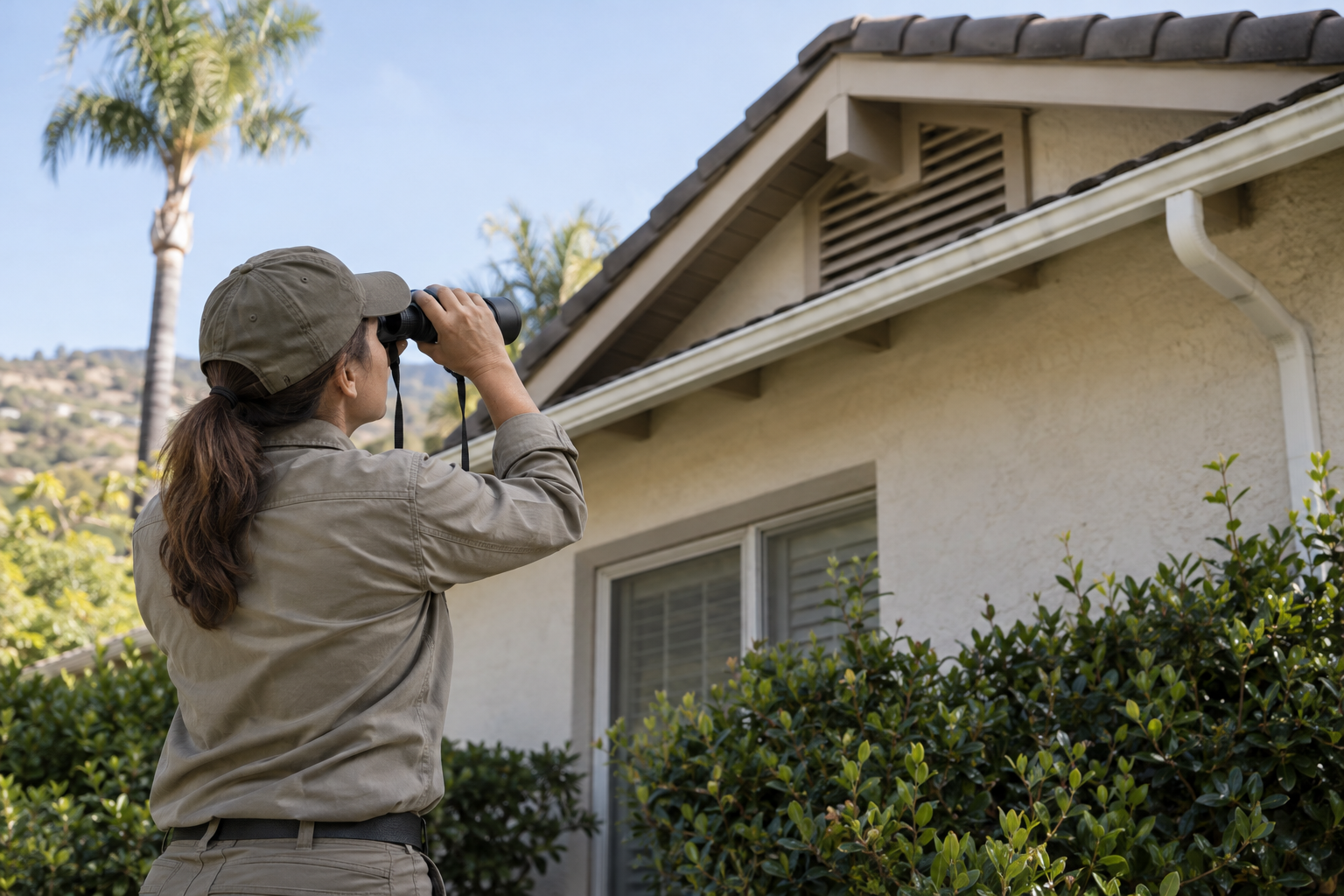
Before approving work, ask:
- What signs support the animal identification, and what remains uncertain?
- How will the plan account for young or additional animals?
- Which entry points will be checked, and how will the team confirm the attic is clear before repairs?
- Does the quote include removal, exclusion, cleanup, insulation, or structural repair, or are those separate steps?
The company homepage describes a service sequence that can include humane removal, contaminated-material removal, decontamination, sealing entry points, and insulation restoration. Ask which steps apply to your home and what is included in the estimate. A clear scope matters because removing the animal alone may not address damaged materials or the opening it used.
Need a Professional Attic Assessment?
Call Orange County Attic CleanUp & Wildlife Control for inspection and pricing.
What Should You Know About Cleanup After Raccoon Activity?
Raccoon droppings and contaminated nesting material should be treated carefully. The CDC's raccoon roundworm prevention guidance says raccoon feces can contain roundworm eggs and advises avoiding contact, limiting dust, and taking care to prevent contamination of hands and clothing. Newly deposited eggs take at least two to four weeks to become infectious, according to CDC guidance; this is a reason to handle waste responsibly, not a reason to panic.
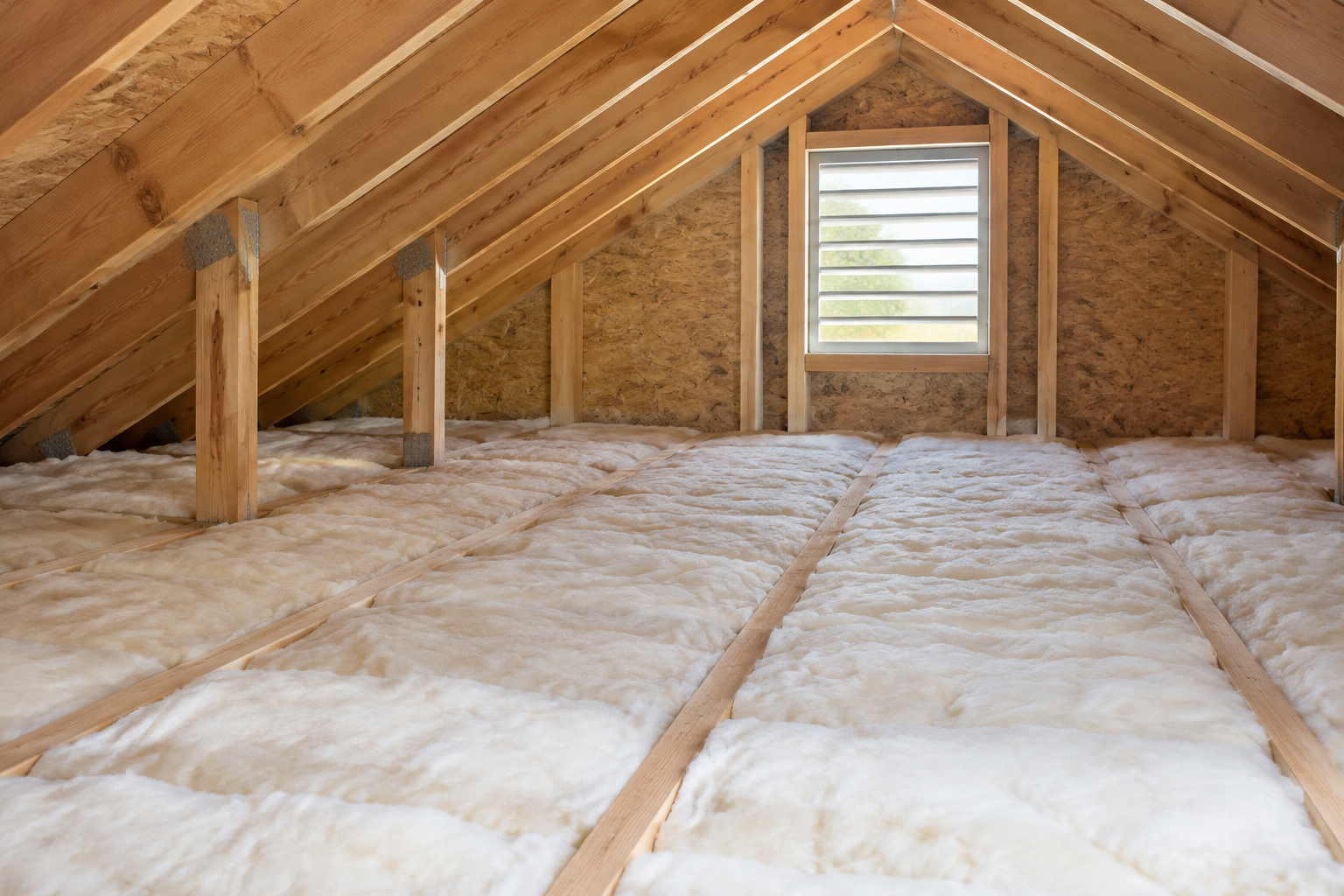
Do not dry-sweep or disturb accumulated waste in a confined attic. Keep children and pets away and ask a qualified cleanup provider how the area and affected insulation will be assessed. The CDC describes protective steps for people who choose to clean a latrine, including precautions for confined spaces. Extensive deposits, damaged insulation, or a hard-to-access attic are good reasons to ask about professional cleanup rather than improvising.
How Can You Reduce the Chance of Another Raccoon Getting In?
After a professional confirms the animal is out, ask for an inspection of the access points and repairs that fit the structure. Homeowners can also reduce attractants by keeping trash containers closed, bringing pet food indoors, and avoiding intentional feeding. CDFW recommends limiting food access to help prevent conflicts. Roof or attic repairs should be done safely and only after the space is confirmed clear.
For a complete plan, connect removal with exclusion and cleanup. The goal is to address the animal, the entry route, and any affected material, while avoiding promises that no wildlife will ever return.
Conclusion: Choose a Safe, Complete Raccoon Removal Plan
If you are deciding how to get rid of a raccoon in an attic, begin by keeping people and pets away and resisting the urge to trap, handle, or seal the animal inside. A careful inspection can check for young, identify access points, and clarify whether cleanup or insulation work is needed. The safest plan connects removal to confirming the space is clear and addressing the entry route.
For an Orange County inspection and quote, call Orange County Attic CleanUp & Wildlife Control at (877) 395-6877. The homepage currently advertises a free inspection and quote; confirm the offer and its terms when you contact the team.
Will a raccoon leave an attic on its own?
It may leave the attic temporarily to look for food, but that does not prove it has abandoned the space. An adult may return, and young may remain inside. Do not seal the opening based on a quiet period. Have the situation assessed and confirm every animal is out before any entry point is closed.
Can I use a one-way door to get a raccoon out?
A one-way door can be appropriate in some situations, but it should not be treated as a do-it-yourself default. The person assessing the attic needs to check for young, other openings, and the animal's location first. Ask a wildlife professional to explain why a specific removal method is suitable and how the structure will be confirmed clear afterward.
How do I know if there are baby raccoons in the attic?
High-pitched chattering or mewing, repeated activity from one area, and an adult entering and leaving can be clues, but they do not confirm a litter. Young animals may be hidden from view. Avoid entering the attic or closing an opening to check. Tell the professional what you have heard or seen and ask for an assessment before removal.
Can I clean raccoon droppings in my attic myself?
The CDC publishes precautions for raccoon latrine cleanup, including avoiding contact and limiting dust. An attic is a confined, hard-to-access space, and contamination may involve insulation or nesting material. If there is an accumulated latrine or widespread debris, keep people and pets away and ask a qualified cleanup professional to assess the work before disturbing it.
How much does raccoon removal from an attic cost?
Cost depends on factors such as access, how many animals may be present, whether young are involved, the condition of the entry point, and whether cleanup or insulation work is needed. The client homepage does not provide a fixed raccoon-removal price. Request an inspection and an itemized quote so the scope and any separate repair or cleanup charges are clear.
Who should I call about a raccoon in an Orange County attic?
Contact a wildlife professional who can assess the animal, check for young, and explain removal, exclusion, and cleanup options. Orange County Attic CleanUp & Wildlife Control lists Orange County wildlife removal and attic restoration services on its homepage. Call (877) 395-6877 to ask about an inspection and current service availability.
Have Questions About Your Attic in Orange County?
Our specialists inspect your attic, identify moisture or rodent entry points, and give you an upfront, no-pressure repair plan.