How to Get Rid of Squirrels in Your Attic Safely
Last updated: November 2026
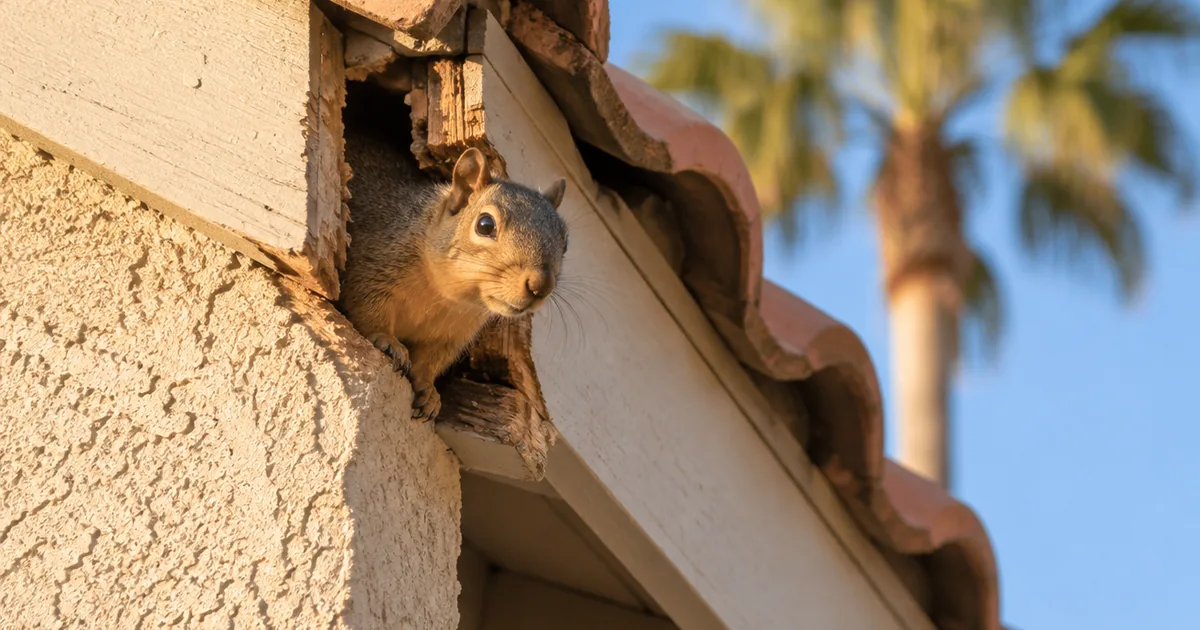
Fast scampering overhead at sunrise. Chewing sounds near the eaves. A squirrel slipping under a roof tile in the afternoon. If that sounds familiar, you probably have squirrels in the attic, and you want them gone without making the problem worse.
This guide explains how to rid an attic of squirrels the safe way: what to check first, what not to do, how humane exclusion and repair fit together, and what cleanup may be needed once the animals are out. It is written for Orange County homeowners, so it uses California wildlife guidance rather than rules from other states.
The short answer: To get rid of squirrels in your attic, first confirm the animal is a squirrel and find where it gets in. Then check for a nest or babies before blocking anything. Once the attic is confirmed clear, seal every entry with chew-resistant material, and assess insulation, wiring, and contamination left behind.
Do not seal the opening until you know the attic is clear and no young are trapped inside. Sealing an occupied nest can orphan baby squirrels and push the mother to chew a new hole to reach them.
Not sure what is up there? Request a free attic inspection and quote from Orange County Attic CleanUp before you start blocking holes, or call (877) 395-6877.
How to Rid an Attic of Squirrels: The Safe 4-Step Order
The safe way to get rid of squirrels in the attic follows a fixed order. Skipping a step is how most DIY attempts fail or create new damage.
- Identify the animal. Confirm the activity pattern and signs point to tree squirrels, not rats, raccoons, or bats.
- Check for young. Look for a nest and listen for babies before you disturb or block any entry point.
- Get the squirrels out humanely. Use exclusion that lets adults leave on their own, ideally handled by a qualified wildlife professional.
- Repair, clean, and confirm. Seal entry points, assess attic damage, and recheck for renewed activity.
Confirm the Signs Before Assuming It Is a Squirrel
Tree squirrels are active during the day. The UC Statewide IPM Program's tree squirrel guide notes they are most active in early morning and late afternoon and do not hibernate. Noise that starts around sunrise and settles at dusk points toward squirrels. Heavy thumping late at night is more typical of raccoons or opossums, and light scratching after dark often points to rats.
Sound is a clue, not proof. Look for supporting evidence before deciding on a plan.
Check for a Nest or Young Before Disturbing an Entry Point
Tree squirrels in California typically breed in late winter or spring, and some species have two litters a year with three to five young each, according to UC IPM. Baby squirrels cannot leave the nest on their own for several weeks. If you seal the hole while they are inside, they can die in the attic, and a determined mother may chew a fresh opening in your roofline to reach them.
High-pitched squeaking or chirping near the eaves, or a bulky nest of shredded insulation and leaves, are strong signs that young are present.
When to Stay Out of the Attic and Call for Help
Stop and call a professional if you hear babies, can't find the entry, the entry is on a steep or second-story roofline, or you see droppings, chewed wiring, or damaged ductwork. A cornered squirrel can bite and scratch, and attics hold their own hazards: exposed nails, fragile ceiling drywall, and contaminated insulation.
How to Tell Squirrels From Other Attic Wildlife
Species identification changes the safe response. Methods suitable for squirrels can be wrong, or even illegal, for other animals.
| What you notice | What it may mean | Safe next step |
|---|---|---|
| Scampering at sunrise and late afternoon | Likely tree squirrels | Watch the roofline in daylight to spot the entry |
| Heavy thumping or walking late at night | Raccoon or opossum more likely | Do not enter the attic; arrange a professional inspection |
| Light scratching after dark, small droppings | Rats or mice more likely | Avoid dry-sweeping droppings; get an inspection |
| Squeaking or chirping near the eaves | Possible baby squirrels | Do not seal anything; call for help |
| Chewed wires or damaged ducts | Active damage, possible fire or HVAC risk | Call a wildlife professional and an electrician or HVAC specialist |
Daytime Scampering, Chewing, Nesting Material, and Other Clues
Common signs of squirrels in the attic include:
- Running or rolling sounds during daylight, often near the edges of the attic
- Gnaw marks on fascia boards, soffits, roof vents, or wood trim
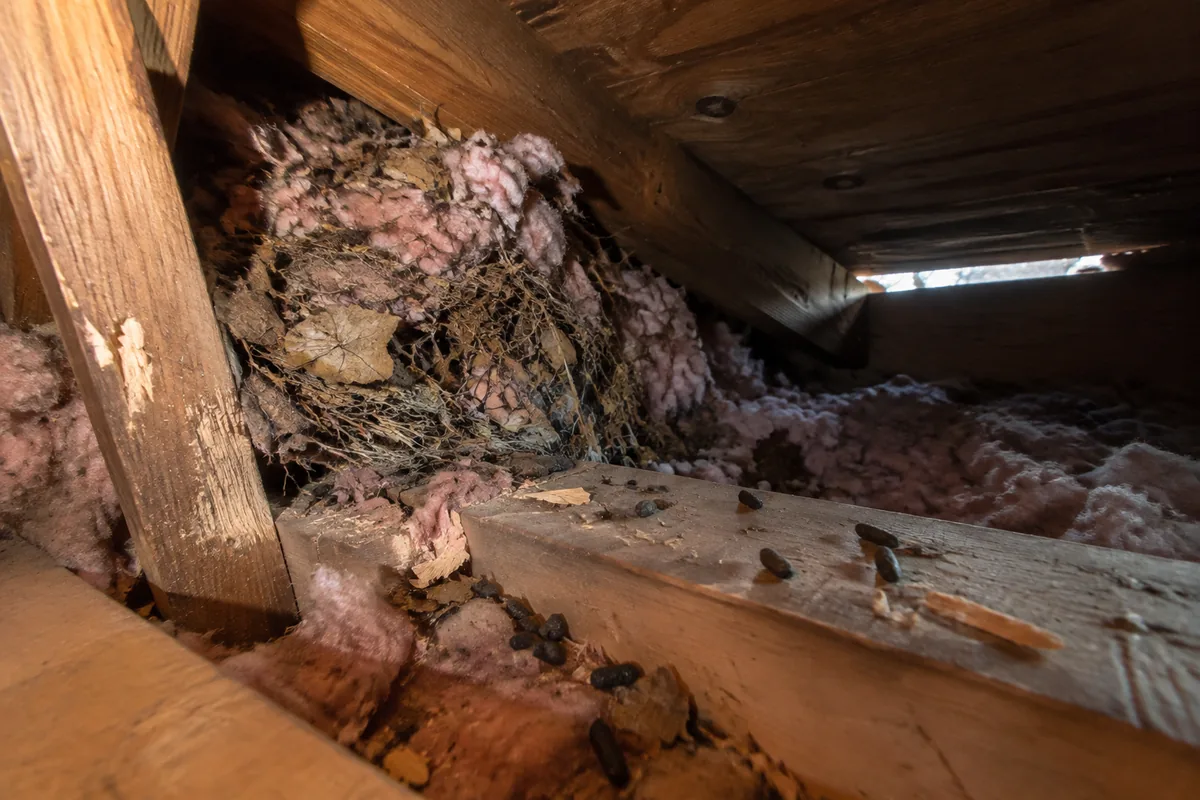
- Shredded insulation, leaves, and twigs bundled into a nest near the eaves
- Droppings and urine staining on insulation or stored items
- Squirrels seen jumping from trees, power lines, or fences onto the roof
Roofline, Soffit, Fascia, and Vent Entry Points
UC IPM notes that squirrels often invade attics through gaps or broken vent screens and can enlarge a small opening by gnawing. Because they travel along utility lines and fence tops, entries often sit at roughly those heights. Check where roof sections overlap, where the fascia meets the roof edge, under tile ends, around gable and attic vents, and around utility penetrations.
What Not to Do When Squirrels Are in Your Attic
Well-meant shortcuts are the most common reason squirrel problems drag on. Avoid these.
Why Sealing an Opening Too Early Can Make the Problem Worse
Blocking the main hole while squirrels are inside traps them. Adults will chew a new way out, often through a spot that is harder and more expensive to repair. Trapped young can die in the attic and cause odor and contamination. Seal only after you have confirmed the space is empty.
Why Trapping or Relocating Is Not a Simple DIY Fix
California treats tree squirrels differently from many other states. UC IPM explains that tree squirrels are classified as game mammals under the California Fish and Game Code. Eastern fox squirrels damaging property may be controlled by the owner or tenant, but gray squirrels require a permit from the California Department of Fish and Wildlife. Releasing a tree squirrel elsewhere is illegal without a CDFW permit, and poison baits are not legal for any tree squirrel species.
Poison is a bad idea even beyond the law. The National Park Service in the Santa Monica Mountains warns that rodent poisons have been found in bobcats, coyotes, mountain lions, hawks, and owls, and can harm pets and children. A squirrel that dies inside a wall or attic also leaves you with an odor problem.
Ultrasonic devices and repellents rarely solve the problem either. UC IPM reports squirrels quickly get used to frightening devices, and repellent effectiveness is questionable.
Safe Ways to Get Squirrels Out of the Attic and Keep Them Out
The right method depends on the species, whether young are present, how many entries exist, and how safely the roofline can be reached. Here is how a careful, humane process works.
Inspection and Confirmation That the Attic Is Clear
A thorough inspection maps every possible entry, not just the obvious one. The inspector looks for the nest, checks for young, and notes damage. To test whether an entry is still in use, UC IPM suggests loosely plugging it with crumpled newspaper; if a squirrel is still inside, it will push the plug out.
Humane Exclusion and Repair After the Animals Are Out
When no dependent young are present, exclusion typically means sealing secondary gaps first, then fitting a one-way exit over the main entry so squirrels can leave but cannot return. If babies are present, the safest choice is usually to wait until they are old enough to leave or to have a professional manage the family so the young are not orphaned.
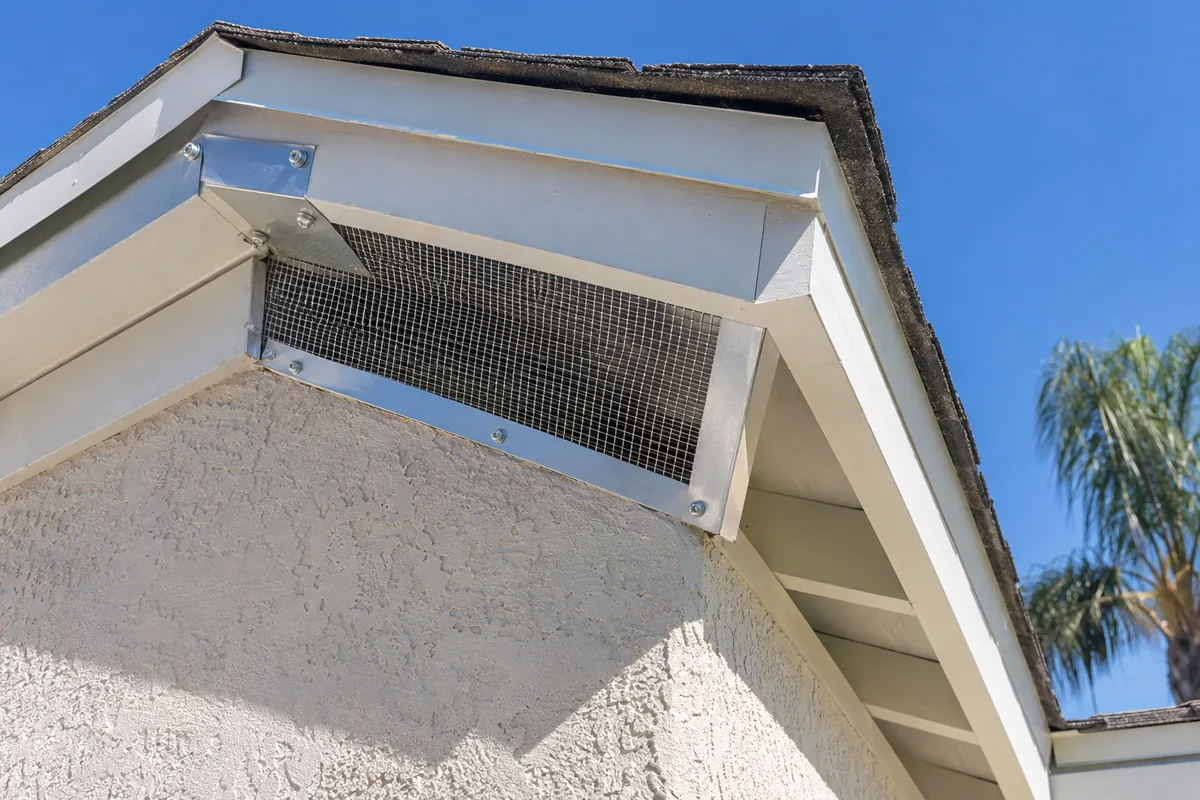
Once the attic is confirmed empty, entries should be closed with materials squirrels cannot chew through. UC IPM recommends sheet metal or 1/4-inch hardware cloth. Foam, caulk, or plain window screen alone will not hold.
Follow-Up Checks for Renewed Activity
Watch and listen for a couple of weeks after sealing. New noise can mean a squirrel was missed or another one is testing a weak spot. Trim tree branches that overhang the roof to slow access, as UC IPM advises.
Want this handled in one visit plan instead of weeks of trial and error?
One accountable team handles humane exclusion, chew-proof sealing, and attic decontamination.
What Happens After Squirrels Leave the Attic
Getting the squirrels out is only half the job. What they leave behind can affect your home's air quality, energy efficiency, and safety.
When Damaged Insulation or Contaminated Material Needs Attention
Squirrels tear insulation for nesting and leave droppings and urine behind. UC IPM notes tree squirrels can carry diseases such as tularemia and ringworm and are often infested with fleas and mites. Localized mess may only need targeted cleanup. Widespread contamination or compressed, soiled insulation may need removal, decontamination, and replacement. The scope should follow what the inspection actually finds.
Why Wiring or HVAC Concerns Need an Appropriate Specialist
Squirrels gnaw constantly, and chewed wiring is a real concern. If you see exposed or damaged wires, have a licensed electrician inspect them. Damaged ductwork can spread odors through the HVAC system and should be checked as well.
When an Orange County Wildlife Professional Makes Sense
At Orange County Attic CleanUp, we handle the full sequence under one roof: humane removal, extraction of contaminated material, decontamination, entry-point sealing, and fresh insulation installed to current Title 24 efficiency standards. Our technicians are licensed, bonded, and insured, and we have served Orange County homes for more than 20 years, from Irvine and Anaheim to Huntington Beach and Mission Viejo.
What to Ask Before Hiring a Wildlife Removal Company
- How will you confirm whether baby squirrels are present?
- Will you inspect the whole roofline, or only the obvious hole?
- What materials do you use to seal entry points?
- How do you follow California rules for tree squirrels?
- Will I get a written scope covering removal, repair, and cleanup?
- Can you show proof of licensing and insurance?
What Affects the Scope and Quote
Every attic is different. The number of entry points, roof height and type, whether young are present, the extent of insulation damage, and the cleanup needed all change the work. That is why we start with a free inspection and quote rather than a one-size price.
Key Takeaways
- Learning how to rid an attic of squirrels starts with identification and a check for babies, not with sealing the hole.
- Never seal an entry while squirrels may still be inside.
- In California, relocating tree squirrels without a CDFW permit and using poison baits are not legal.
- Seal entries with chew-resistant materials like sheet metal or 1/4-inch hardware cloth.
- Inspect insulation, wiring, and ducts after removal and clean up based on what you find.
Get Squirrels Out of Your Attic the Right Way
Knowing how to rid an attic of squirrels comes down to order: identify the animal, protect any young, exclude humanely, then seal, clean, and restore. Doing it in the wrong order costs more and often brings the squirrels right back.
Hearing noises overhead in Orange County? Call (877) 395-6877 for your free attic inspection and quote, or schedule online below.
How do I get squirrels out of my attic without hurting them?
Use exclusion instead of poison or relocation. Confirm no babies are inside, seal secondary gaps, then place a one-way exit over the main entry so adult squirrels can leave but not return. Once activity stops, seal the last opening with sheet metal or hardware cloth. A wildlife professional can manage roof access and young safely.
Should I seal the hole if I hear squirrels in the attic?
Not yet. Sealing while squirrels are inside traps them, and they may chew a new hole or die in the attic. If babies are present, the mother may damage your roof trying to get back in. Confirm the attic is clear first, for example by loosely plugging the entry with newspaper and watching whether it gets pushed out.
Can baby squirrels be in an attic?
Yes. Attics are warm, dry, and protected, which makes them attractive nesting sites. In California, tree squirrels usually breed in late winter or spring, and some species have a second litter. Squeaking or chirping near the eaves and a bulky nest of shredded insulation are signs young may be present. Do not seal any entry until they are out.
Will squirrels come back after they leave?
They can if any entry is left open or poorly sealed. Squirrels can enlarge small gaps by gnawing, and scent trails attract new animals. Seal every entry with chew-resistant material, trim overhanging branches, and recheck the roofline after sealing. A full roofline inspection, not just a patch over one hole, is what keeps them out.
Is it legal to trap and relocate squirrels in California?
Releasing a tree squirrel elsewhere is illegal in California unless CDFW issues a permit, according to UC IPM. Rules also differ by species: eastern fox squirrels damaging property may be controlled by the owner or tenant, while gray squirrels require a CDFW permit. Poison baits are not legal for any tree squirrel. A qualified professional can help you stay compliant.
Do I need to replace attic insulation after squirrels?
Not always. Small, localized damage may only need targeted cleanup. If droppings, urine, or nesting are spread through the insulation, or it is compressed and soiled, removal, decontamination, and replacement may be the right call. An inspection should document the affected area before any restoration work is recommended.
Who should I call about squirrels in an Orange County attic?
Call a licensed wildlife removal company that also handles attic cleanup and repair, so removal, sealing, and restoration are done by one accountable team. Orange County Attic CleanUp offers humane removal, decontamination, and insulation restoration across Orange County, with a free inspection and quote. Call (877) 395-6877.
Have Questions About Your Attic in Orange County?
Our specialists inspect your attic, identify moisture or rodent entry points, and give you an upfront, no-pressure repair plan.