How to Get Squirrels Out of Your Attic Safely in Orange County
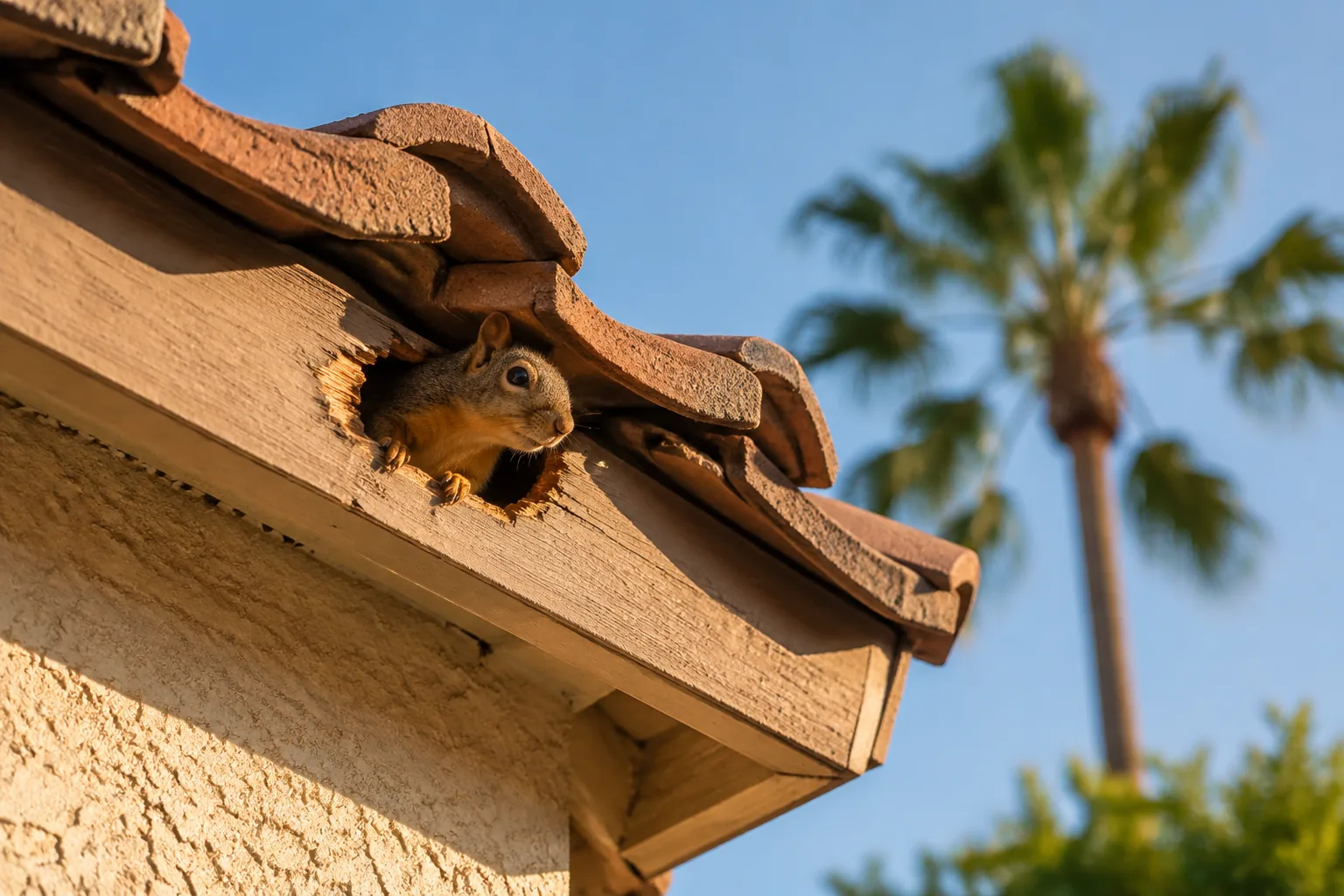
Quick answer: To get squirrels out of your attic safely, confirm the activity from a safe distance, check whether young may be nesting without disturbing them, and do not seal any opening until every squirrel is out. In California, trapping and relocating tree squirrels is restricted, so a qualified professional should choose the removal method, then repair entry points and clean the attic.
Scratching above the ceiling at sunrise is one of the most common calls Orange County homeowners make about wildlife. Squirrels are active during the day, they chew through weak spots in eaves and vents, and once inside they nest in insulation. The good news: the problem is very solvable when it's handled in the right order. The bad news: most national how-to guides skip the California rules and the cleanup that comes after.
This guide walks you through the safe sequence, from first signs to a sealed and sanitized attic. If you already know you'd rather not climb a ladder, request a free attic inspection and our team will assess the situation and give you an upfront quote.
The Safe First Steps When You Hear Squirrels in the Attic
The first goal is information, not action. What you do in the first day or two decides whether the job is simple or whether you end up with a trapped, panicked animal or a nest of young sealed inside your home.
Confirm the Signs From a Safe Distance
- Listen for scurrying, rolling, or scratching in the early morning and late afternoon, when tree squirrels are most active.
- Walk the outside of the house and look up at eaves, fascia boards, roof vents, and where tree branches or power lines meet the roofline.
- Watch for squirrels running along fences, lines, or the roof edge and disappearing near the same spot.
- Note fresh chew marks, torn vent screens, or nesting material poking out of gaps.
Do Not Climb the Roof, Handle the Animal, or Seal an Opening Yet
Sealing the entry point while a squirrel is still inside is the most common mistake. A trapped squirrel will chew a new hole, often into a wall or ceiling, and trapped young can die and create odor problems. Roof work also carries a real fall risk, and a cornered squirrel can bite or scratch.
When to Call for an Inspection
Call a professional if you can't see the entry point, you hear high-pitched squeaks that could be young, the attic is hard to access, or you suspect chewed wiring. These are the situations where DIY attempts usually make things worse.
How to Tell Squirrels From Other Attic Wildlife
Orange County attics also host rats, mice, raccoons, and bats, and each one calls for a different plan. Identifying the animal correctly comes before anything else.
Common Squirrel Signs Around an Attic and Roofline
- Daytime noise. Squirrels are active by day; rats and raccoons are mostly active at night.
- Entry height. Squirrels often enter at the height of nearby lines, fences, and branches, according to UC IPM's tree squirrel Pest Notes.
- Chewed edges. Rounded, gnawed openings around 1.5 to 2 inches across in wood fascia, soffits, or vent screens.
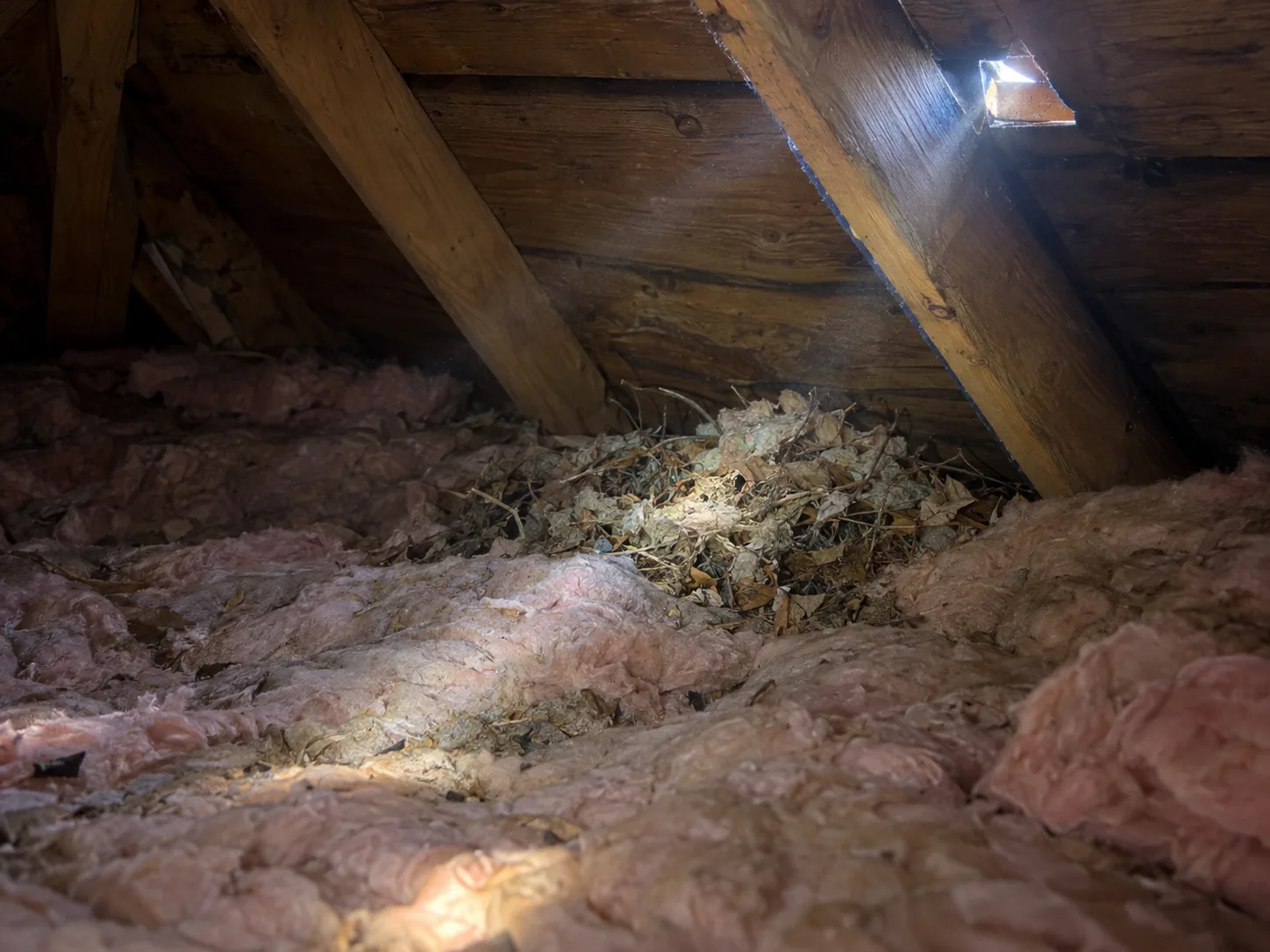
- Nest material. Leaves, twigs, and shredded insulation bunched near the eaves.
Why a Professional Should Confirm the Species Before Removal
California has several tree squirrel species, and the law treats them differently. The non-native eastern fox squirrel is the most common pest squirrel in Southern California cities, but the rules for gray squirrels are stricter. Noise alone can't tell you which you have, so species should be confirmed before any removal method is chosen.
Could There Be Baby Squirrels in the Attic?
Yes, and it changes everything. Tree squirrels breed in late winter or spring, and some species have two litters a year of three to five young. If a mother is shut out while her young are inside, she will try hard to get back in, often causing new damage.
Clues That a Nest May Be Present
- Faint, high-pitched chirping or squeaking from one spot.
- An adult squirrel coming and going repeatedly from the same opening.
- A large, bunched pile of leaves and shredded insulation near the roof edge.
What to Do If You Hear Young or Can't Confirm the Nest Is Empty
Stop. Don't seal anything, don't set traps, and don't try to move the nest. Have a qualified local professional assess the attic first. Breeding timing varies by species and conditions, so local judgment matters more than a calendar copied from another state.
Safe Actions at a Glance
| Safe to do yourself | Avoid until assessed | Call a professional |
|---|---|---|
| Listen and note the time of activity | Sealing any opening | You hear young or can't find the entry |
| Check the roofline from the ground | Setting traps of any kind | The entry is on the roof or a second story |
| Trim branches touching the roof (from the ground, when safe) | Poison baits or foggers | You see chewed wiring or smell odor |
| Secure pet food, bird feeders, and trash | Entering a cramped, contaminated attic | Insulation is soiled or flattened |
Not sure which column you're in? Book a free, no-obligation inspection and get a clear plan before anything gets sealed.
How Squirrels Are Safely Removed and Kept From Returning
Professional squirrel removal follows a sequence. Skipping steps is how squirrels end up back in the attic a month later.
- Inspect the attic and roofline for the active entry and any secondary gaps, including vents, soffits, roof returns, and utility penetrations.
- Choose a removal or exclusion method only after species, nest, and legal checks are done.
- Confirm the squirrels are out. UC IPM notes one simple test: loosely plug the entrance with newspaper; if it's pushed out, an animal is still inside.
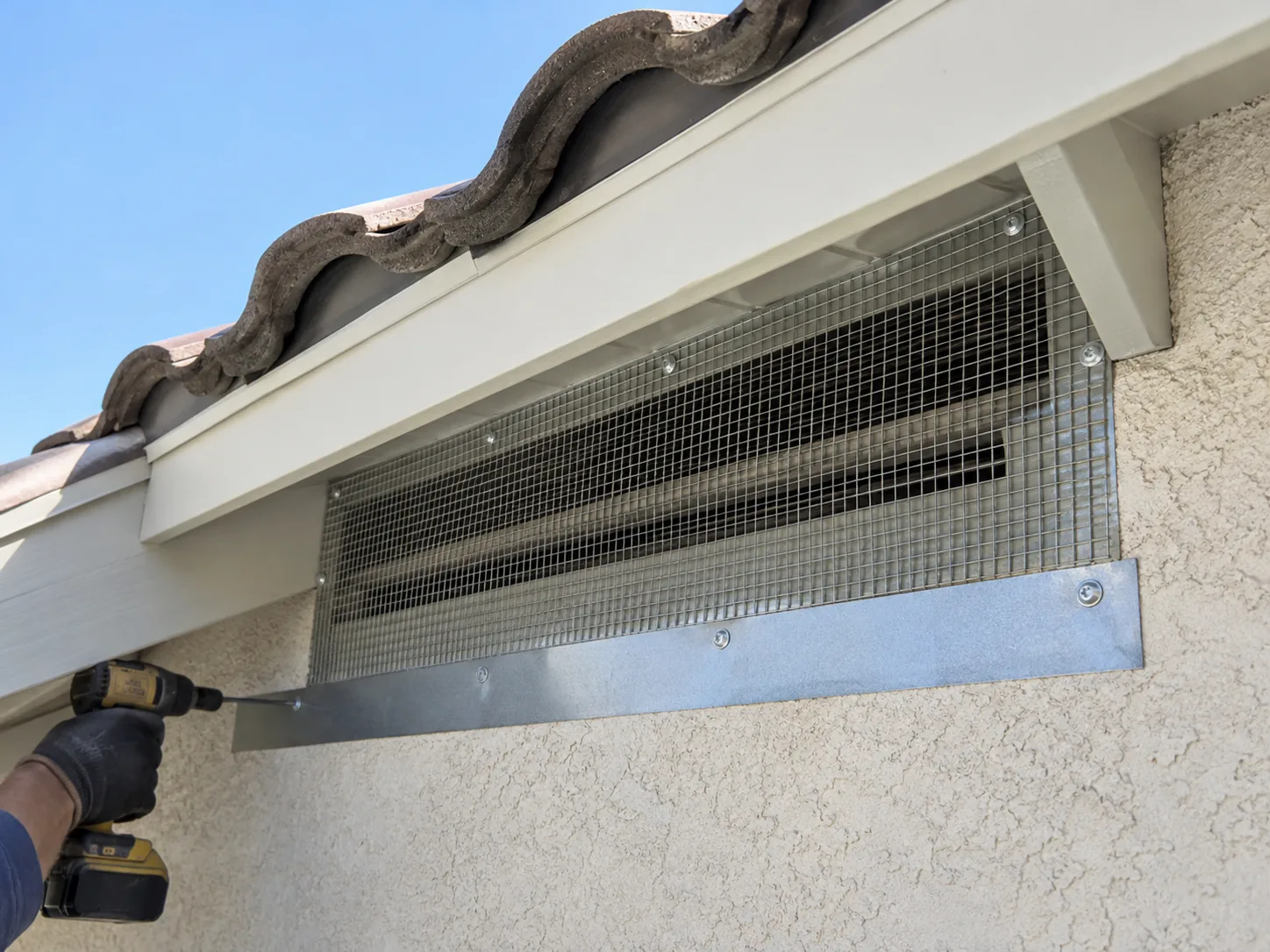
- Reinforce entry points with chew-resistant materials such as sheet metal or 1/4-inch hardware cloth, since squirrels can gnaw through wood and plastic screening.
- Reduce the access routes by cutting back branches that overhang the roof.
What Should You Avoid When Squirrels Are in the Attic?
Why Lights, Noise, and Scent Products Are Unreliable
Many guides suggest bright lights, radios, or repellent sprays. According to UC IPM, tree squirrels quickly get used to visual and sound devices, and repellent effectiveness is questionable. These tactics may buy a day or two but are not a removal plan.
Why California Rules Make Trapping and Relocation a Legal Question
This is where national advice falls apart for California homeowners. The California Department of Fish and Wildlife states that wildlife cannot be trapped and released elsewhere. UC IPM adds that poison baits are not legal for any tree squirrel species, and that releasing a tree squirrel elsewhere is illegal without a CDFW permit. Gray squirrels require a permit for control, while eastern fox squirrels damaging property follow different rules. The safest move is to leave method decisions to a professional who works within current CDFW squirrel guidance.
What Happens After the Squirrels Are Gone?
Getting squirrels out of your attic is only half the job. What they leave behind can affect your home's air, energy efficiency, and safety.
Check for Visible Damage and Wiring Concerns
Squirrels gnaw constantly, and UC IPM notes they chew cables and wood. If you see exposed or chewed wiring, have it assessed by a licensed electrician before the attic is closed back up.
Assess Contaminated Insulation and Cleanup Needs
Nesting material, droppings, and urine soak into insulation and can drive odors into living spaces. Squirrels can also carry fleas, mites, and diseases transmissible to people, so soiled insulation should be removed with proper protection rather than disturbed casually.
Damage and Aftercare Checklist
- Roofline, fascia, and soffit repairs
- Roof and gable vent screens
- Insulation condition and coverage
- Nesting debris removal
- Wiring and ductwork check
- Sanitation and odor treatment
- Follow-up monitoring for new chew marks
If your attic needs more than a patch, Orange County Attic CleanUp handles cleanup, decontamination, and insulation restoration as part of the same process.
Squirrel Removal in Orange County: What a Complete Service Includes
At Orange County Attic CleanUp, every wildlife job follows the same sequence: remove the animal, extract contaminated material, decontaminate surfaces, seal entry points, then install fresh insulation to current Title 24 efficiency standards. One team handles it from start to finish, so there are no gaps between the trapper, the cleaner, and the repair crew. Not every attic needs every step; the inspection decides that.
Questions to Ask Before Booking
- Will you confirm the species and check for young before removal?
- How do you confirm every squirrel is out before sealing?
- What materials do you use to close entry points?
- Is cleanup and insulation replacement included or quoted separately?
What Affects the Inspection and Written Quote
Pricing depends on the number and height of entry points, roof type, whether young are present, the amount of contaminated insulation, and any repairs needed. That's why we start with a free inspection and an upfront quote instead of a one-size price.
Key Takeaways
- Confirm squirrel activity from the ground first and never seal an opening until every squirrel is out.
- Assume young may be present in late winter and spring, and get a professional assessment before any removal.
- In California, relocating tree squirrels and using poison baits are not legal options for homeowners.
- Lights, noise, and repellents are unreliable; exclusion with chew-resistant materials is what keeps squirrels out.
- Cleanup, insulation, and wiring checks are part of finishing the job, not optional extras.
Get Squirrels Out of Your Attic the Right Way
Knowing how to get squirrels out of your attic comes down to order: identify, check for young, remove legally, confirm, seal, and clean. Get any step wrong and you're likely to see the squirrels, or the damage, again. Our licensed technicians serve homeowners across Orange County, from Anaheim and Irvine to Huntington Beach and San Clemente.
Schedule Your Free Squirrel Inspection or call (877) 395-6877 to talk to a specialist.
Will squirrels leave the attic on their own?
Sometimes, but rarely for good. A squirrel may leave to forage during the day and return at night, and a mother with young will keep coming back to the nest. Squirrels are active year-round and don't hibernate, so waiting it out usually just gives them more time to chew and nest. Professional exclusion is the reliable way to keep them out.
Is it legal to trap and relocate a squirrel in California?
Generally, no. CDFW states that wildlife cannot be trapped and released elsewhere, and UC IPM notes that releasing a tree squirrel elsewhere is illegal without a CDFW permit, which is unlikely to be issued. Rules also differ between eastern fox squirrels and gray squirrels. Have a professional confirm the species and the legal method for your situation.
Can squirrels damage attic wiring or insulation?
Yes. Squirrels gnaw to keep their teeth worn down and are known to chew cables and wood. In attics they also flatten and soil insulation with nesting material, droppings, and urine. Damage varies by home, so after removal it's worth inspecting wiring, ductwork, and insulation, and bringing in a licensed electrician if you see chewed wires.
How do I know if there are baby squirrels in my attic?
Listen for faint, high-pitched squeaks from one area, and watch for an adult repeatedly entering and leaving the same gap. A bulky nest of leaves and shredded insulation near the eaves is another clue. If any of these signs appear, don't seal the opening or set traps; have a professional assess the attic first.
Do squirrel repellents or ultrasonic devices work?
Not reliably. According to UC IPM, tree squirrels get used to visual and sound-based frightening devices within a couple of days, and the effectiveness of chemical repellents is questionable. They might make an attic less pleasant briefly, but they won't remove a nesting squirrel or stop it from returning. Exclusion is the long-term fix.
Can I use poison to get rid of squirrels in my attic?
No. UC IPM states that poison baits are not legal for any tree squirrel species in California. Poison also creates a second problem: an animal that dies inside a wall or attic leaves strong odors and attracts insects. Safe, legal removal followed by sealing and cleanup is the better path.
How do squirrels get into an attic?
Squirrels usually enter through small gaps under eaves, overlapping roof sections, damaged soffits, roof returns, and broken vent screens. They often travel along power lines, fences, and branches and enter near those heights. Even a small gap can be gnawed larger, which is why entry points should be sealed with sheet metal or 1/4-inch hardware cloth.
What does squirrel removal cost in Orange County?
Cost depends on the number and location of entry points, roof height and type, whether young are present, and how much cleanup or insulation work is needed. Because every attic is different, Orange County Attic CleanUp offers a free inspection and upfront quote so you know the full scope before any work begins.
Have Questions About Your Attic in Orange County?
Our specialists inspect your attic, identify moisture or rodent entry points, and give you an upfront, no-pressure repair plan.