Mice in the Attic? Removal and Cleanup in Orange County
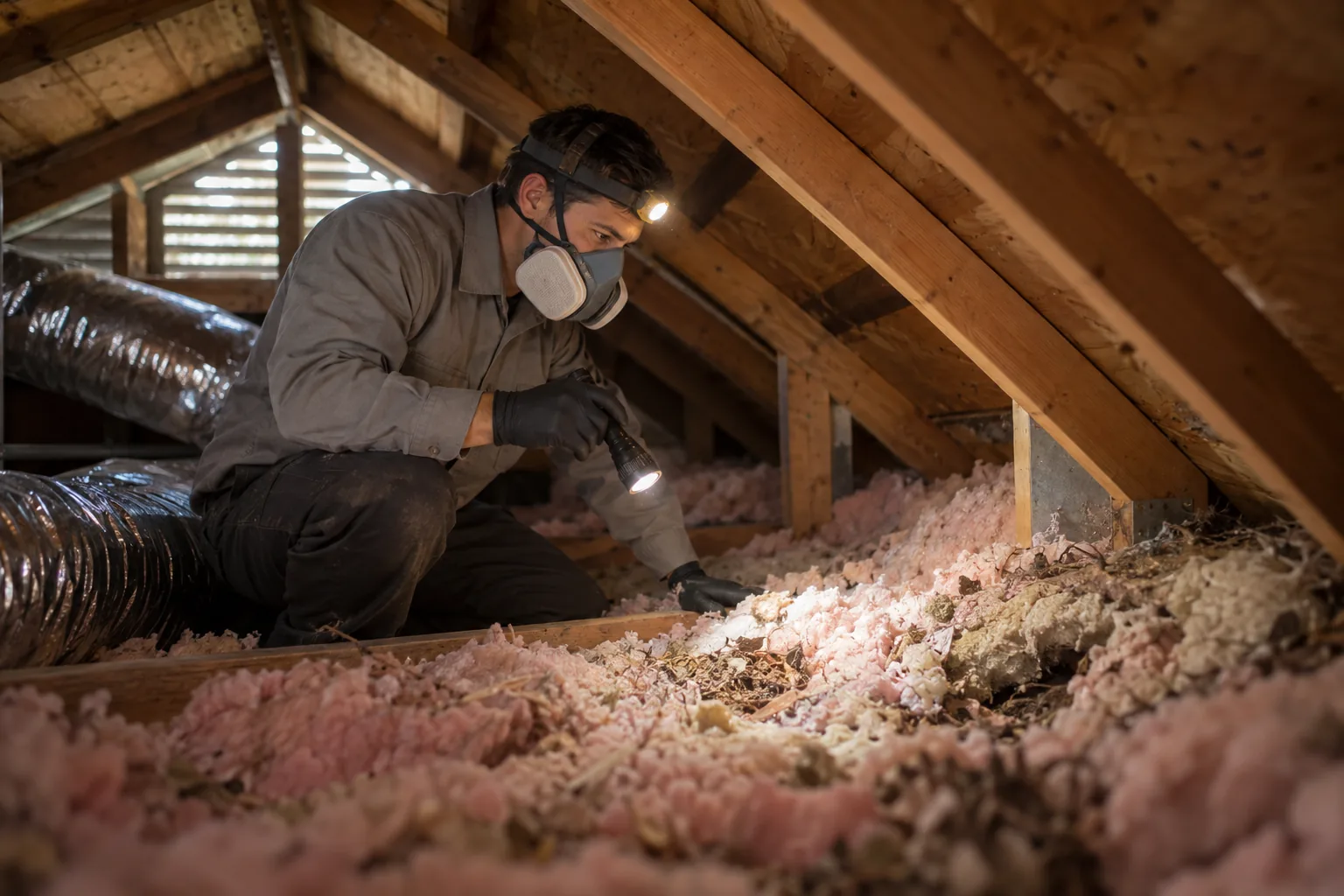
Scratching above the ceiling at night. Small dark droppings near the attic hatch. A stale smell that will not go away. If that sounds familiar, you are probably searching for mice in attic removal because you want the problem handled once, not chased room by room for months.
At Orange County Attic CleanUp, attic problems are handled as one connected job: find out what is living up there, remove it humanely, close the way in, and then deal with the droppings, nesting material, and insulation left behind. This page explains how that process works, what changes the scope, and what you can safely do while you wait for an inspection.
Mice in the attic? Get the problem inspected in Orange County
Quick answer:
Mice in an attic are handled by inspecting the attic and likely entry points, removing active mice with an appropriate method, and sealing the access routes. The inspector then assesses droppings, nesting material, wiring, and insulation to decide whether cleanup or restoration is needed. The final scope depends on what is actually found in your home.
- Inspect the attic, roofline, and likely entry paths.
- Remove active mice using a method suited to the findings.
- Seal the gaps, vents, and penetrations mice are using.
- Assess contamination, insulation, and any damage.
- Clean, decontaminate, and restore only what the findings call for.
Signs that justify an inspection
One clue on its own rarely proves you have mice. Two or more together usually justify a professional look:
- Light scratching or scurrying overhead, mostly after dark
- Small, dark droppings around the attic access, garage, or storage areas
- Shredded material, tunnels, or flattened patches in the insulation
- A musty, stale, or urine-like odor near the ceiling or HVAC vents
- Gnaw marks on stored boxes, wood trim, or wiring
What to note without disturbing droppings or nests
Before your inspection, it helps to write down when you hear activity, which rooms it is above, and where you have seen droppings. Take photos from a safe distance if you can. Do not climb into a cramped attic, and do not sweep or vacuum droppings or nests. The CDC's guidance on cleaning up after rodents warns that sweeping or vacuuming rodent urine, droppings, or nesting material can put contaminated particles into the air.
Request a free inspection and quote
Orange County Attic CleanUp offers a free inspection and quote, and the team can be reached toll-free at (877) 395-6877.
What are the signs of mice in an attic?
The most common signs of mice in an attic are droppings, nesting material in the insulation, gnaw marks, light scratching at night, and a lingering musty odor. Because rats, squirrels, and other animals can leave similar clues, the signs point to a problem worth inspecting rather than a confirmed diagnosis.
Droppings, odor, and nesting material
Mouse droppings are small and tend to collect along edges, near the attic hatch, and around travel routes between the attic and the rest of the house. Mice build nests from shredded insulation, paper, and fabric, often in quiet corners near the eaves. Over time, urine and droppings build up and create the stale odor many homeowners notice before they see anything.
Disturbed insulation and gnaw marks
Mice like insulation because it is warm and easy to tunnel through. You may see trails, flattened patches, or holes in blown-in or batt insulation. Gnaw marks on wood, stored boxes, or plastic are another sign that mice are using the space regularly.
Scratching or movement after dark
Mice are mostly active at night, so the sounds usually start after the house goes quiet. Light, quick scratching often points toward mice. Heavier thumping or rolling sounds can point toward rats or larger wildlife. Sound alone is not enough to identify the animal, which is why an inspection checks the physical evidence too.
Wiring or duct damage that needs assessment
Rodents gnaw constantly, and attic wiring and flexible ductwork are within easy reach. If you notice flickering lights, chewed wire jackets, or torn duct insulation, mention it when you book. Damaged wiring should be assessed by a qualified electrician, and the attic team can document what they find during the inspection.
How does professional mice in attic removal work?
Professional mice in attic removal follows a set order: inspect, remove active mice, seal entry points, assess contamination, then clean and restore what is needed. Doing those steps in sequence keeps new mice from replacing the ones that were removed and keeps a fresh attic from being contaminated again.
The homepage of Orange County Attic CleanUp describes the same sequence for its attic restoration work: remove the animal, extract contaminated material, decontaminate surfaces, seal entry points, and install fresh insulation to current Title 24 efficiency standards. Here is how that applies to mice.
Inspect the attic and identify likely entry paths
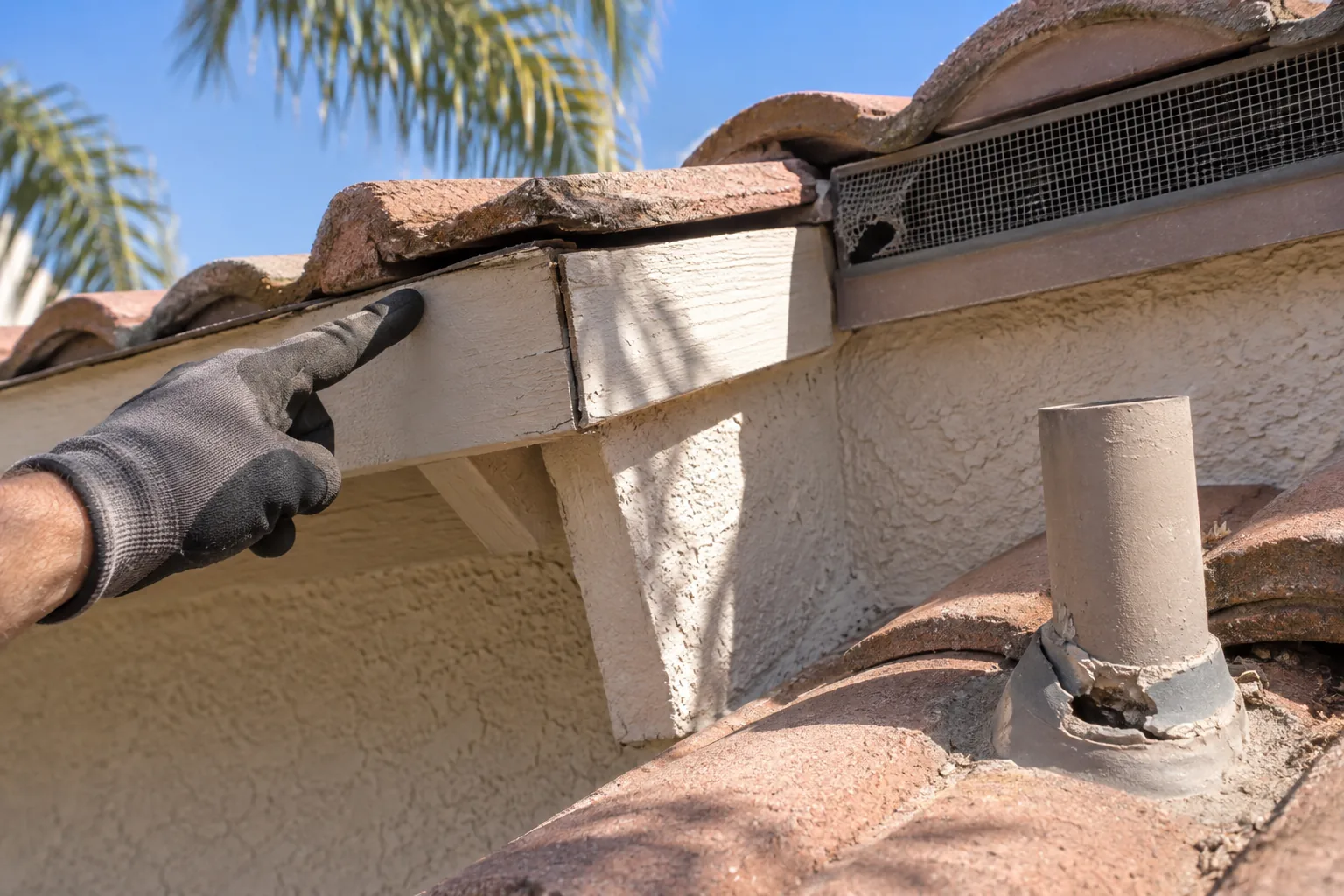
The inspection looks at the attic itself and at the outside of the home. Technicians check for activity, nest locations, droppings, damaged insulation, and the gaps mice are using. Common entry points in Orange County homes include eave and fascia gaps, roof and gable vents with damaged screens, utility and pipe penetrations, and openings where different roof sections meet.
Remove active mice using the method appropriate to the findings
Orange County Attic CleanUp uses humane trapping, and the removal plan is matched to how much activity is present and where it is concentrated. Store-bought poison is not a good attic solution, because mice can die inside walls or insulation and create a separate odor problem. Removal and monitoring continue until activity stops.
Address entry points and exclusion
Exclusion means sealing the openings mice use to get in. Mice can squeeze through very small gaps, so this step matters as much as trapping. Sealing is done with durable materials suited to the location, such as metal mesh or hardware cloth over vents and sealed penetrations around pipes and conduit. Without exclusion, removal is only a short-term fix.
Assess contamination, insulation, and repair needs
Once activity is under control, the team looks at how far droppings, urine, and nesting material have spread. Some attics need targeted cleanup in a few areas. Others have contamination across a large section of insulation. The findings decide which applies to your home.
Document the completed work and recommended follow-up
A good job ends with a clear summary: what was found, what was removed, which entry points were sealed, and what was cleaned or replaced. Ask for photos of the before and after condition so you have a record for your own peace of mind. Ready to stop the scratching? Call (877) 395-6877 to schedule your free inspection.
Do mice in an attic mean the insulation needs to be replaced?
Not always. Insulation replacement is usually considered when droppings, urine, and nesting material are spread through a large area, when insulation is compressed or torn, or when odor persists. Light, localized contamination may only need targeted removal and decontamination. An inspection should decide this, not a blanket rule.
What an inspection checks for
- How widely droppings and urine are spread through the insulation
- Whether insulation is tunneled, compressed, or torn and has lost effectiveness
- Odor levels and whether they are reaching living spaces through ducts or vents
- Any damage to ductwork, wiring, or drywall around the attic
When cleanup or insulation replacement may be considered
Targeted cleanup makes sense when contamination is limited to a few spots, such as near the eaves or attic hatch. Full removal and replacement is more likely when nesting has spread across the attic floor or when the insulation no longer performs. Orange County Attic CleanUp offers attic decontamination and complete insulation restoration, including an antimicrobial decontamination step, so both paths are handled by the same team.
Questions to ask before approving the scope
- Which areas of insulation are contaminated, and can you show me photos?
- Is targeted removal an option, or does the whole attic need replacement?
- Which entry points will be sealed before cleanup starts?
- What type and level of insulation will be installed?
- What follow-up is recommended after the job?
How much does mice removal in Orange County cost?
The cost of mice removal in Orange County depends on how widespread the activity is, how easy the attic is to access, how many entry points need sealing, and whether droppings or insulation require cleanup or replacement. Because those factors vary so much between homes, an inspection is the only reliable way to get an accurate quote.
| Scope factor | How it affects the job |
|---|---|
| Extent of activity | More nests and active areas mean more removal and monitoring time. |
| Attic access | Low clearance, tight spaces, or multiple attic sections take longer to inspect and treat. |
| Entry-point sealing | The number and type of gaps, vents, and penetrations change the exclusion work. |
| Cleanup and decontamination | Spot cleanup is smaller in scope than treating contamination across the whole attic. |
| Insulation restoration | Removing and replacing insulation is a separate scope item based on the findings. |
Infestation extent and attic access
A single nest near the hatch is a very different job from activity across a large attic with low clearance. The inspection maps where activity is and how hard it is to reach.
Entry-point sealing, cleanup, and insulation as separate scope factors
Removal, exclusion, cleanup, and insulation are separate parts of the quote. That lets you see what each step involves and why it is recommended.
What the free inspection and quote should clarify
Your quote should spell out what was found, which steps are recommended, and what is included in each. Orange County Attic CleanUp's homepage states it will match or beat any licensed competitor's quote. Ask about current price-match terms when you book.
How can I reduce the chance mice return?
The best way to keep mice from returning is to seal entry points, reduce food and shelter around the home, and watch for new signs after the job. No service can promise mice will never come back, but closing access routes and catching new activity early greatly lowers the odds of a repeat infestation.
Seal likely roofline, vent, and utility access points
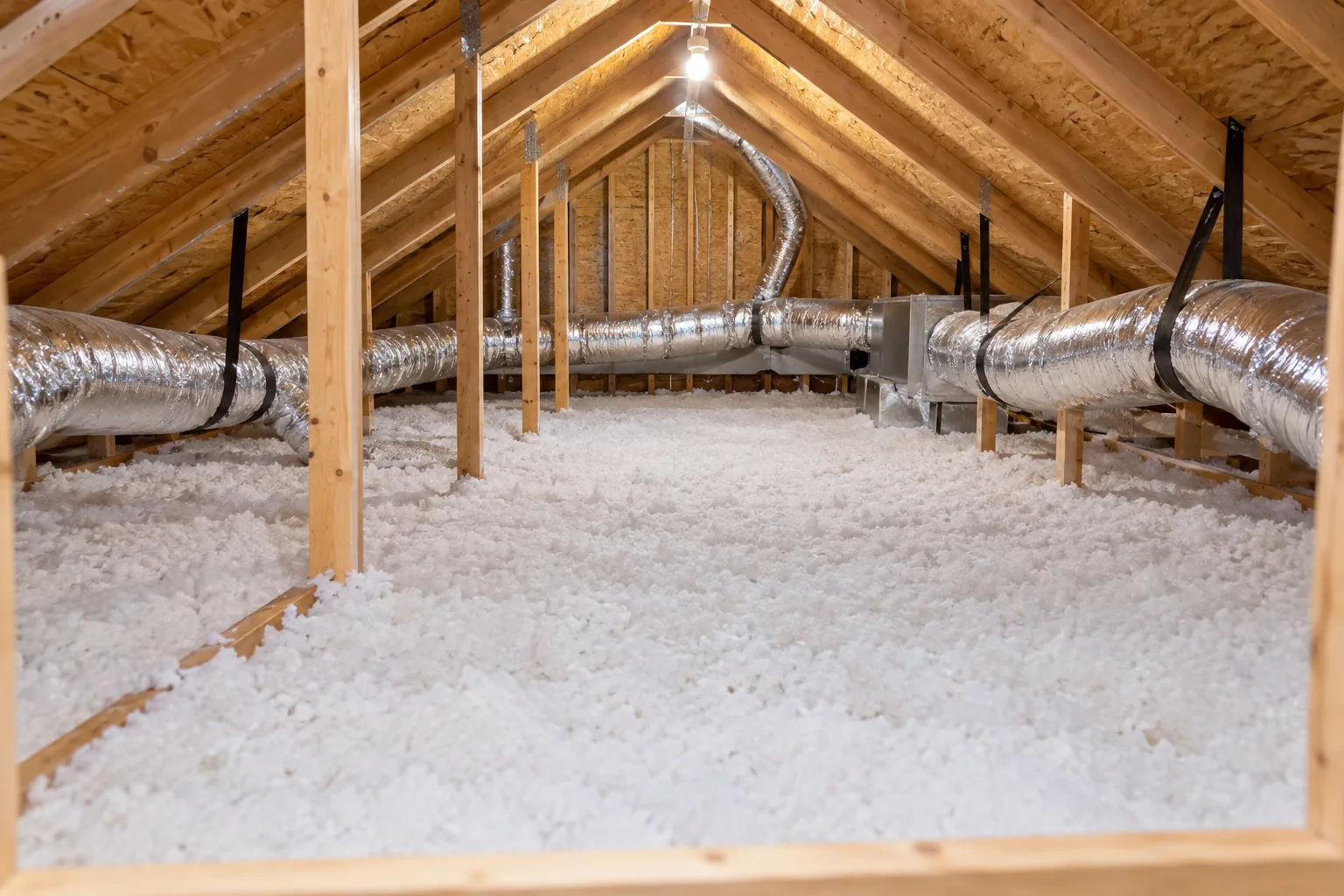
Keep vent screens intact, check eaves and fascia after storms or roof work, and make sure pipe and conduit openings stay sealed. The CDC's guidance on controlling wild rodent infestations highlights sealing entry points as a core prevention step.
Reduce accessible food and nesting conditions
Store pet food and birdseed in sealed containers, keep garages and storage areas tidy, and trim tree branches and vines back from the roofline so they do not act as a bridge.
Recheck for new signs and address them early
For the first few weeks after the job, listen for new sounds and watch for fresh droppings near the attic hatch or garage. Early signs are much easier and less costly to handle than a new established infestation.
Why choose Orange County Attic CleanUp for attic mice?
Orange County Attic CleanUp focuses on attics: removing animals, cleaning up after them, and restoring the space. That means one team handles removal, exclusion, decontamination, and insulation, instead of you coordinating separate contractors.
Local service coverage and verified qualifications
The company states it has more than 20 years of local experience and uses fully licensed, bonded, and insured technicians. It serves communities across Orange County, including Anaheim, Santa Ana, Irvine, Huntington Beach, Garden Grove, Orange, Fullerton, Costa Mesa, Mission Viejo, Newport Beach, Tustin, Yorba Linda, San Clemente, and Laguna Niguel.
Humane removal, decontamination, and restoration capabilities
Services listed on the company's homepage include humane trapping, 24/7 emergency animal removal, attic decontamination, and complete insulation restoration. Ask during booking whether same-day or emergency scheduling is available for your mouse problem.
Key Takeaways
- Mice in attic removal works best as one sequence: inspect, remove, seal, assess, then clean and restore.
- Do not sweep or vacuum mouse droppings or nests; follow CDC cleanup guidance or leave it to professionals.
- Insulation replacement depends on how far contamination has spread, not on a blanket rule.
- Price depends on activity, access, entry points, and cleanup scope, so an inspection is the only way to get an accurate quote.
- Sealing entry points and watching for new signs lowers the chance of mice coming back.
Get mice out of your attic for good with a clear plan
Mice in the attic do not usually leave on their own, and every week they stay adds more droppings, nesting, and insulation damage. Professional mice in attic removal from Orange County Attic CleanUp brings inspection, humane removal, exclusion, decontamination, and insulation restoration together under one team, so the job is finished properly instead of patched.
Schedule your free attic inspection and quote today. Call (877) 395-6877 or visit Orange County Attic CleanUp to get started.
How quickly can mice be removed from an attic?
Timing depends on how many mice are active, how many entry points need sealing, and whether cleanup is needed afterward. A small, localized problem can move faster than one spread across the whole attic. Removal usually continues until activity stops, and sealing happens alongside it so new mice cannot replace the ones removed. Your inspection should give you a realistic timeline for your home.
Can mice damage attic wiring or insulation?
Yes. Mice gnaw constantly and can chew wire coatings, duct insulation, and stored items. They also tunnel and nest in insulation, which compresses it and leaves droppings and urine behind. Damaged insulation can lose effectiveness, and chewed wiring should be checked by a qualified electrician. An attic inspection documents the damage so you know exactly what needs repair.
Should I clean mouse droppings myself?
Small, accessible spots can be cleaned by following CDC guidance: wear gloves, soak droppings with disinfectant, wait, then wipe them up with paper towels. Never sweep or vacuum droppings or nests. For widespread contamination, droppings mixed into insulation, or a tight attic space, professional cleanup is the safer choice because it limits exposure and handles contaminated material properly.
Does removal include sealing entry points?
It should. Trapping without sealing leaves the same gaps open for new mice. Orange County Attic CleanUp describes sealing entry points as part of its standard attic restoration sequence, alongside removal, decontamination, and insulation replacement. Ask your inspector to show you which entry points will be sealed and what materials will be used.
Do you serve my Orange County city?
Orange County Attic CleanUp lists service across Orange County, including Anaheim, Santa Ana, Irvine, Huntington Beach, Garden Grove, Costa Mesa, Fullerton, Mission Viejo, Newport Beach, Lake Forest, Tustin, Yorba Linda, San Clemente, Laguna Niguel, Dana Point, Laguna Beach, Seal Beach, and surrounding communities. If you do not see your city, call to confirm coverage.
Do mice leave the attic on their own?
Rarely. An attic gives mice warmth, shelter, and nesting material, and once they have a reliable way in, they tend to stay and breed. Even if activity seems to drop, nests and droppings remain and can attract new mice. Removing active mice and sealing the entry points is the reliable way to end the problem.
What is included in a free attic inspection?
A free inspection looks for signs of activity, nests, droppings, insulation damage, and the likely entry points around the roofline and exterior. You should come away knowing what is in the attic, how it is getting in, and which steps are recommended, along with a quote. Ask for photos of the findings so you can see the problem for yourself.
Have Questions About Your Attic in Orange County?
Our specialists inspect your attic, identify moisture or rodent entry points, and give you an upfront, no-pressure repair plan.