Mouse in the Attic? Signs, Safe Cleanup, and Orange County Help
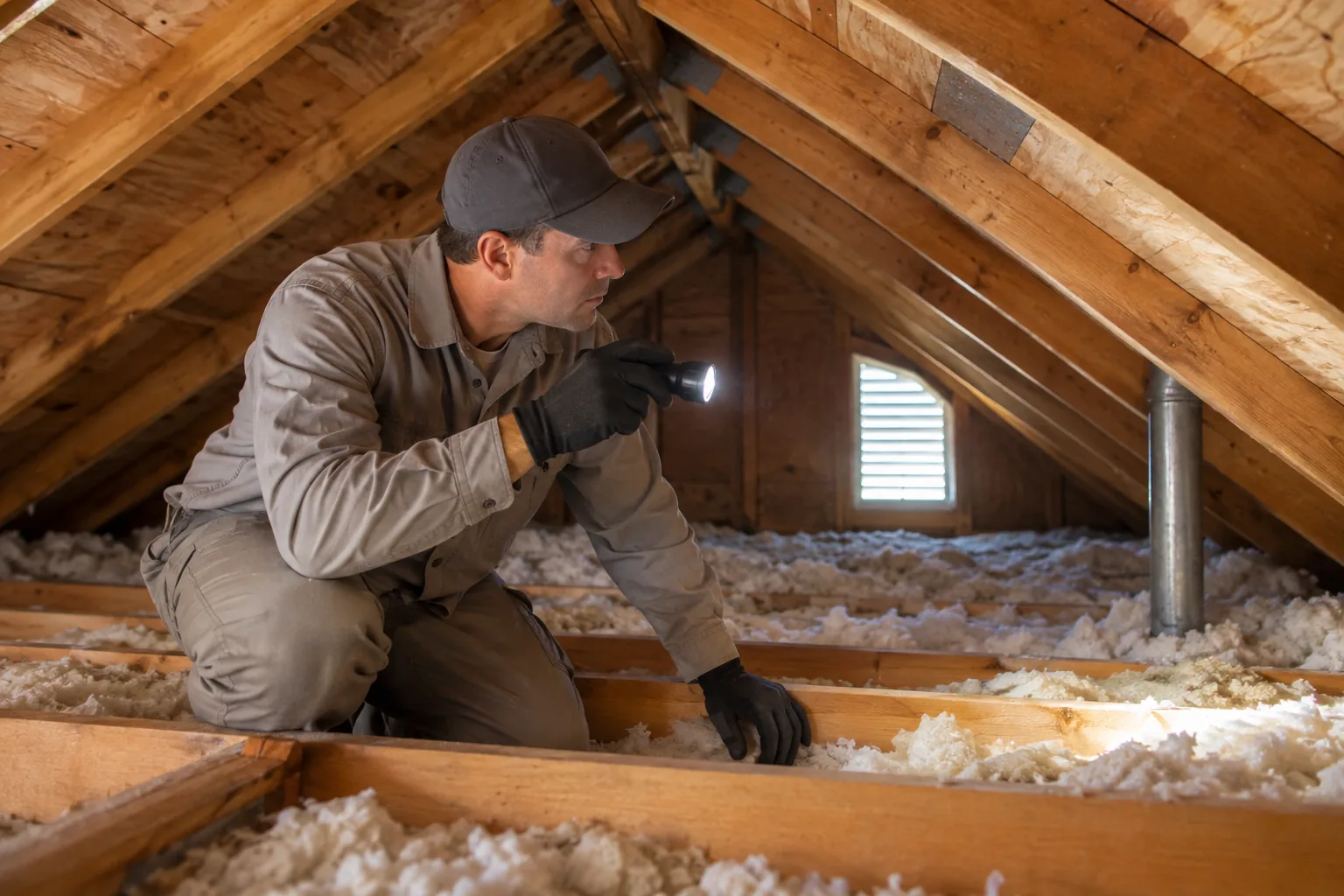
A scratching sound above the ceiling or a few droppings near the attic hatch can make anyone wonder whether a mouse has moved in. One clue alone does not confirm the animal or show how far activity extends. A careful inspection looks for several signs together, considers how the animal may have entered, and checks whether insulation or other materials are affected.
The most important first step is to leave droppings, nests, and suspicious debris undisturbed. The CDC says not to sweep or vacuum rodent urine, droppings, or nesting materials because that can put contaminated particles into the air. For an Orange County home, the safe response is to note what you can see from a distance, keep people and pets away from the area, and get help when contamination is widespread or difficult to reach.
If you need an inspection or cleanup plan, review the attic decontamination and insulation restoration services described by Orange County Attic CleanUp & Wildlife Control, or call (877) 395-6877 to ask about the free inspection and quote listed on the company website.
Mouse in the attic? What should I do first?
If you suspect a mouse in the attic, do not touch or disturb droppings, nests, or damaged insulation. Keep children and pets away, avoid sweeping or vacuuming, and note where you saw evidence without entering an unsafe or hard-to-reach space. Follow current CDC cleanup directions only for a small, accessible area; for widespread contamination, inaccessible nesting material, damaged wiring, or affected insulation, ask a qualified professional to assess the space.
- Keep people and pets out. Close off access to the attic area if you can do so safely.
- Do not dry-clean the evidence. Avoid sweeping, brushing, or vacuuming droppings and nesting material.
- Record what you noticed. Write down the location, time of sounds, odor, and visible damage, but do not handle the material.
- Get an inspection when the scope is unclear. A professional can assess activity, possible entry points, and whether cleanup or insulation work is warranted.
Key takeaways
- Droppings, gnaw marks, shredded nesting material, odor, or repeated nighttime sounds can be clues, but no single clue confirms mice.
- Never sweep or vacuum rodent droppings, urine, or nests before checking current CDC guidance.
- Look for possible entry points from the attic roofline down to vents, utility openings, garage, and foundation areas.
- Insulation replacement is not automatic. Its condition and contamination should be assessed before deciding on work.
- Removal, exclusion, cleanup, and restoration are connected decisions; the right scope depends on what an inspection finds.
What are the signs of mice in an attic?
Possible mouse activity may leave more than one kind of evidence. The UC Statewide Integrated Pest Management Program's house mouse guide lists droppings, fresh gnaw marks, tracks, shredded nesting material, and a musky odor among clues to look for. In an attic, those signs may appear around stored items, rafters, insulation, or access points. Similar sounds and damage can also come from other animals, so use a combination of clues rather than trying to diagnose by sound alone.
| Clue | What it may indicate | Safe next step |
|---|---|---|
| Small droppings or a stale odor | Possible rodent activity, especially when signs are in more than one location | Do not touch, sweep, or vacuum; record the location |
| Shredded paper or fibrous material | Possible nesting material in a sheltered area | Keep people and pets away and avoid disturbing it |
| Fresh gnaw marks | Possible feeding or access activity; the object and location matter | Photograph from a safe distance; have wiring damage checked promptly |
| Scratching or scurrying sounds | Movement overhead, but not a reliable species identification by itself | Note the time and location, then look for other evidence |
| Compressed or disturbed insulation | Possible animal movement or a separate insulation issue | Do not pull it apart; request an assessment if contamination is possible |
Repeated signs in different parts of the attic may point to activity beyond one isolated spot. However, an old stain, an unusual odor, or one sound is not enough to identify a mouse or determine that insulation must be removed. A good assessment separates confirmed evidence from assumptions and explains what should happen next.
How do mice get into an attic?
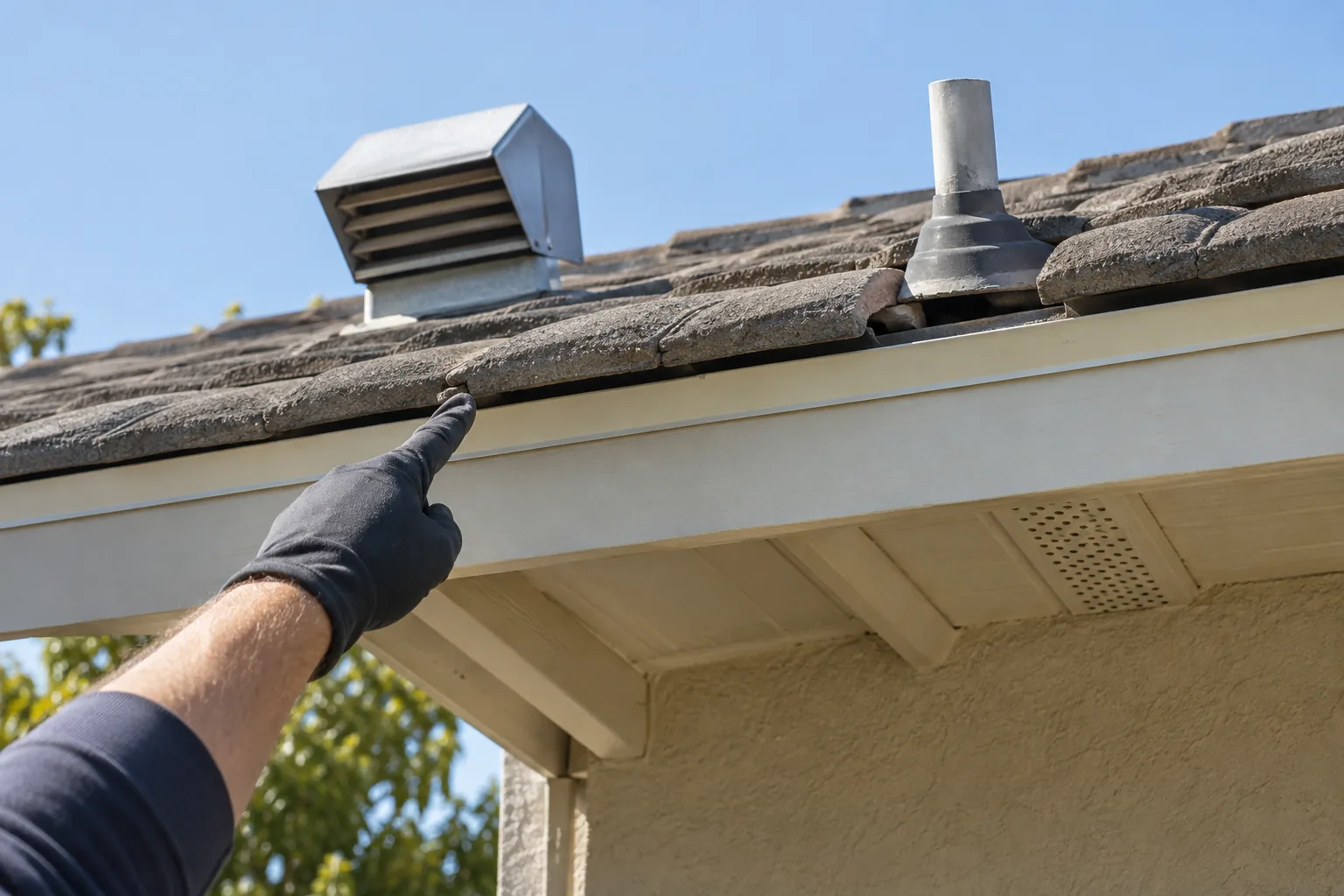
Mice can reach sheltered spaces through small openings. The CDC notes that a mouse can fit through a gap about the width of a pencil, and recommends checking inside and outside the home. Around the roofline, inspect eaves, soffits, rafters, attic vents, and openings where electrical, plumbing, cable, or gas lines pass through. The garage, foundation, and lower walls can also be part of a route into a wall cavity and then upward.
The CDC's rodent-exclusion guidance recommends identifying and sealing openings with materials appropriate to their size and location. A patch that rodents can chew through may not last, and a repair should not block a vent that the building needs. If you are unsure whether an opening is an access gap or a ventilation feature, have it checked before covering it.
Is it a mouse, rat, or another attic animal?
Sound alone is a poor way to identify an attic animal. Scratching, scurrying, or movement can overlap across species, and a homeowner may not have a safe view of the animal. Droppings, gnaw marks, tracks, nesting material, access points, and the scale of damage provide more context, but even those clues can be misread when seen in isolation.
If the animal is visible, do not corner or handle it. Keep a safe distance and arrange an inspection if the species is uncertain, the activity is repeated, or there is damage to wiring or building materials. Accurate identification matters because the removal and exclusion approach should match the animal and the structure; an assumption based on sound can lead to the wrong fix.
How should mouse droppings in an attic be cleaned safely?
For a small, accessible area, follow the current CDC instructions for cleaning up after rodents rather than improvising. The CDC says to wear rubber or plastic gloves, thoroughly wet urine and droppings with an appropriate disinfectant, allow the product to sit for the time on its label or CDC guidance, and wipe the material with paper towels. It specifically warns against sweeping or vacuuming rodent waste or nests.
Attics are often cramped, dusty, poorly lit, or difficult to reach. Do not climb into an unsafe space or pull apart insulation to find a nest. The CDC calls for special precautions in buildings with heavy rodent infestation and advises professional help when rodents have accessed heating or cooling ventilation systems. Widespread droppings, multiple nests, contaminated insulation, or material in an inaccessible cavity are good reasons to stop and ask a qualified cleanup professional or local health department for guidance.
Cleaning is not complete if the source of activity remains. Once the space is assessed, the plan may need to address removal, possible entry points, contaminated material, and follow-up. Keep the CDC page handy because safety directions can be updated and disinfectant labels may set product-specific instructions. Never mix bleach with other cleaners, and do not use a product on a surface unless its label permits it.
What does professional attic mouse removal and cleanup involve?
A professional visit should clarify what evidence was found, where activity may be occurring, what access points need attention, and which work is actually recommended. The sequence can vary by home and by the condition of the space; not every attic needs the same treatment. Ask the provider to explain the findings, the proposed scope, and how the plan addresses both the animal activity and the materials left behind.
Depending on the inspection, the work may include identifying the animal, planning humane removal or trapping, addressing likely entry points, and assessing whether decontamination or insulation restoration is appropriate. The homepage for Orange County Attic CleanUp & Wildlife Control describes humane trapping, attic decontamination, insulation restoration, and a free inspection and quote. Those are the company's listed services; the actual work for a particular property should be confirmed in its inspection and written scope.
Before approving a project, ask:
- Which signs confirm active or past animal activity?
- What areas are included in the inspection and cleanup?
- What material, if any, is proposed for removal, and why?
- How will likely access points be identified and addressed without blocking necessary ventilation?
- What follow-up or documentation is included in the written scope?
A clear explanation is useful even when the right answer is a smaller repair rather than a full restoration. Request an inspection and quote if you want a professional to evaluate attic conditions before deciding on cleanup or insulation work.
Does mouse damage mean attic insulation must be replaced?
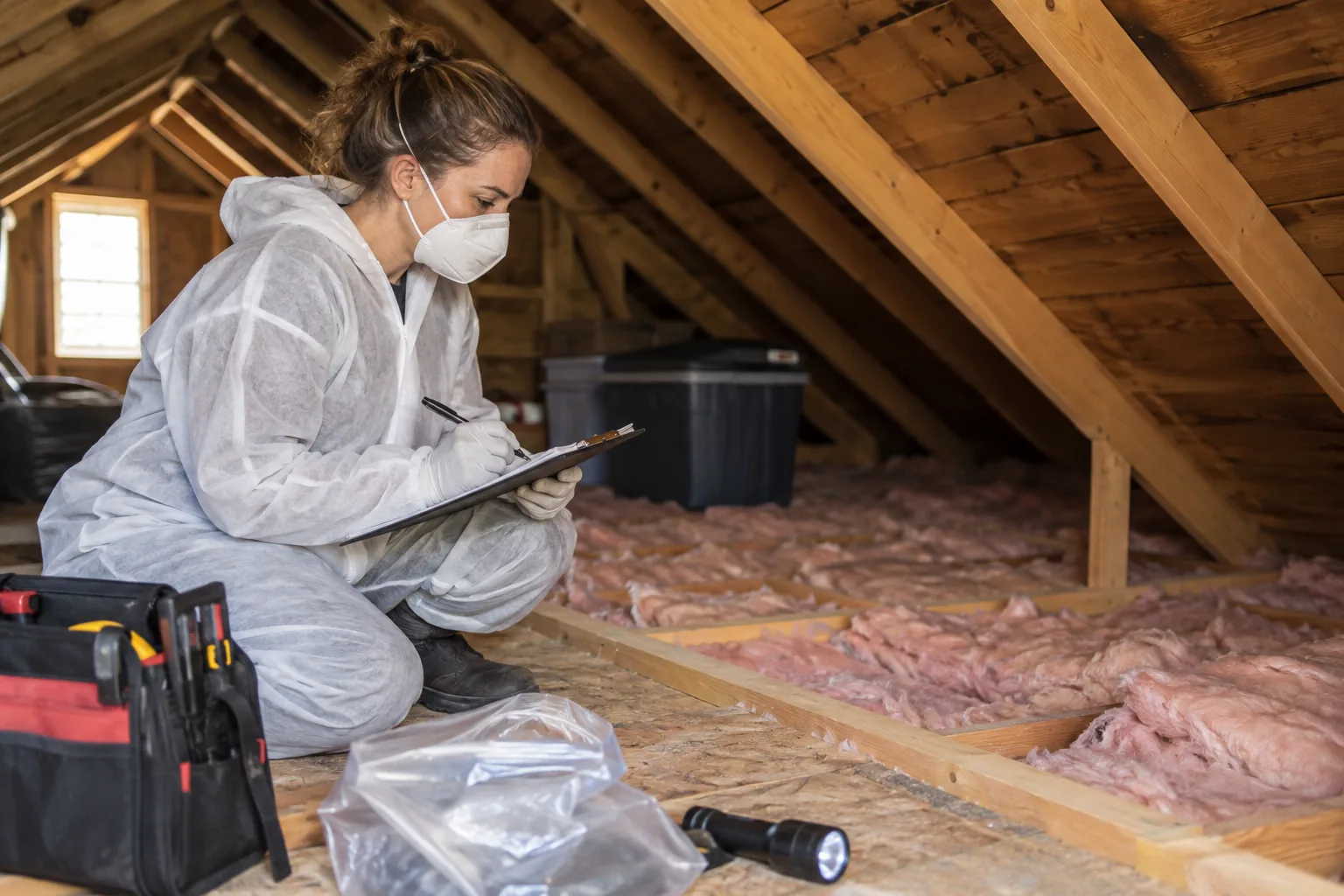
No. Finding possible mouse activity does not automatically mean every section of insulation needs to be replaced. The decision depends on what is affected, the extent of contamination or physical damage, the material's condition, and whether the source has been addressed. An inspection should identify the specific area of concern and explain why removal, cleaning, or restoration is being proposed.
Ask for a clear distinction between affected and unaffected material, the reason for any recommended removal, and what steps follow the work. If the proposal includes new insulation, ask what area it covers and whether the underlying access point or contamination concern is also addressed. These questions help you compare scopes without assuming that a single droppings sighting requires a full attic replacement.
How can I help prevent mice from returning?
Prevention combines exclusion with reducing easy access to food and shelter. Keep food sources and shelter under control, and check likely openings from the roofline down to utility penetrations, vents, doors, garage edges, and foundation areas. Repair gaps with materials suitable for the opening, and keep food, pet food, and garbage in tightly closed containers. Keep outdoor areas near the structure tidy, and avoid leaving food sources out overnight.
After any removal or repair, recheck the places where evidence was found and watch for new signs. If activity continues, do not assume a trap or patch has solved the problem; the route may be elsewhere, or another animal may be involved. A professional can help connect what is happening in the attic to access points around the whole structure. Prevention is most useful when it follows a careful inspection rather than a guess about one visible gap.
Mouse in attic FAQ
How can I tell if there are mice in my attic?
Look for several clues together, such as droppings, shredded nesting material, fresh gnaw marks, odor, or repeated movement sounds. UC IPM lists droppings, gnaw marks, tracks, nesting material, and musky odor as signs of house mice. Sound alone is not enough to identify the animal, and rodent waste should not be disturbed. If signs are widespread or hard to reach, request an inspection.
Are mice in the attic dangerous?
Rodent waste and nesting material should be treated carefully because unsafe cleanup can put contaminated particles into the air. The CDC advises people not to sweep or vacuum droppings, urine, or nests and recommends additional precautions for heavy infestations. This does not mean every attic has the same risk. Keep people and pets away from visible contamination and follow current public-health guidance for the specific situation.
Can mice damage attic wiring or insulation?
House mice can gnaw on building materials and wiring, and nests or waste may affect materials nearby. If you see chewed or exposed wiring, avoid touching it and arrange an assessment by a qualified electrician. Insulation should be evaluated for its actual condition and contamination; a mouse sighting by itself does not prove that all insulation must be replaced.
Should I use poison for a mouse in the attic?
Rodenticide products can be toxic to people, pets, and wildlife, and a rodent that dies inside a building can create an odor or sanitation problem. UC IPM advises following product labels and taking precautions to prevent access by children and non-target animals. For an attic, first confirm the animal and consider the access, cleanup, and follow-up plan with a qualified professional rather than placing bait where it cannot be monitored.
Can I vacuum mouse droppings?
No. The CDC explicitly says not to sweep or vacuum rodent droppings, urine, or nesting materials because doing so can put contaminated particles into the air. For small, accessible areas, follow the CDC's current cleanup directions and the disinfectant label. If the waste is widespread, in insulation, inside a cavity, or near ventilation equipment, stop and ask a qualified professional or health department for guidance.
Does mouse activity mean I need new attic insulation?
Not necessarily. Whether insulation needs removal or replacement depends on the affected area, the degree of contamination or damage, and the condition of the material. Ask the inspector to identify the specific sections involved and explain why each recommended step is needed. A useful scope should distinguish confirmed damage from precautionary work and address the access route as well as cleanup.
When should I call an attic cleanup professional?
Get professional help when droppings or nests are widespread, the attic is difficult or unsafe to access, insulation may be contaminated, wiring appears damaged, or rodents may have reached HVAC equipment. For a small and accessible area, use current CDC guidance rather than dry sweeping or vacuuming. If you are unsure what animal is present or what material is affected, an inspection can clarify the next step.
Get a clear next step for a mouse in the attic
Possible mouse activity calls for a calm assessment, not guesswork. Keep away from droppings and nests, avoid sweeping or vacuuming, and look for multiple signs before deciding what the attic needs. Safe cleanup, entry-point control, and insulation decisions should fit the evidence found in the home.
For a local inspection and quote, contact Orange County Attic CleanUp & Wildlife Control through its website or call (877) 395-6877. Ask what the inspection covers and request a written explanation of any removal, decontamination, exclusion, or insulation work recommended.
How can I tell if there are mice in my attic?
Look for several clues together, such as droppings, shredded nesting material, fresh gnaw marks, odor, or repeated movement sounds. UC IPM lists droppings, gnaw marks, tracks, nesting material, and musky odor as signs of house mice. Sound alone is not enough to identify the animal, and rodent waste should not be disturbed. If signs are widespread or hard to reach, request an inspection.
Are mice in the attic dangerous?
Rodent waste and nesting material should be treated carefully because unsafe cleanup can put contaminated particles into the air. The CDC advises people not to sweep or vacuum droppings, urine, or nests and recommends additional precautions for heavy infestations. This does not mean every attic has the same risk. Keep people and pets away from visible contamination and follow current public-health guidance for the specific situation.
Can mice damage attic wiring or insulation?
House mice can gnaw on building materials and wiring, and nests or waste may affect materials nearby. If you see chewed or exposed wiring, avoid touching it and arrange an assessment by a qualified electrician. Insulation should be evaluated for its actual condition and contamination; a mouse sighting by itself does not prove that all insulation must be replaced.
Should I use poison for a mouse in the attic?
Rodenticide products can be toxic to people, pets, and wildlife, and a rodent that dies inside a building can create an odor or sanitation problem. UC IPM advises following product labels and taking precautions to prevent access by children and non-target animals. For an attic, first confirm the animal and consider the access, cleanup, and follow-up plan with a qualified professional rather than placing bait where it cannot be monitored.
Can I vacuum mouse droppings?
No. The CDC explicitly says not to sweep or vacuum rodent droppings, urine, or nesting materials because doing so can put contaminated particles into the air. For small, accessible areas, follow the CDC’s current cleanup directions and the disinfectant label. If the waste is widespread, in insulation, inside a cavity, or near ventilation equipment, stop and ask a qualified professional or health department for guidance.
Does mouse activity mean I need new attic insulation?
Not necessarily. Whether insulation needs removal or replacement depends on the affected area, the degree of contamination or damage, and the condition of the material. Ask the inspector to identify the specific sections involved and explain why each recommended step is needed. A useful scope should distinguish confirmed damage from precautionary work and address the access route as well as cleanup.
When should I call an attic cleanup professional?
Get professional help when droppings or nests are widespread, the attic is difficult or unsafe to access, insulation may be contaminated, wiring appears damaged, or rodents may have reached HVAC equipment. For a small and accessible area, use current CDC guidance rather than dry sweeping or vacuuming. If you are unsure what animal is present or what material is affected, an inspection can clarify the next step.
Have Questions About Your Attic in Orange County?
Our specialists inspect your attic, identify moisture or rodent entry points, and give you an upfront, no-pressure repair plan.