Orange County Attic Fixup: Turning a Neglected Attic Into a Better Performing Space
An attic fixup organizes accumulated minor defects into a step-by-step restoration sequence that protects energy efficiency, ventilation, and safety.
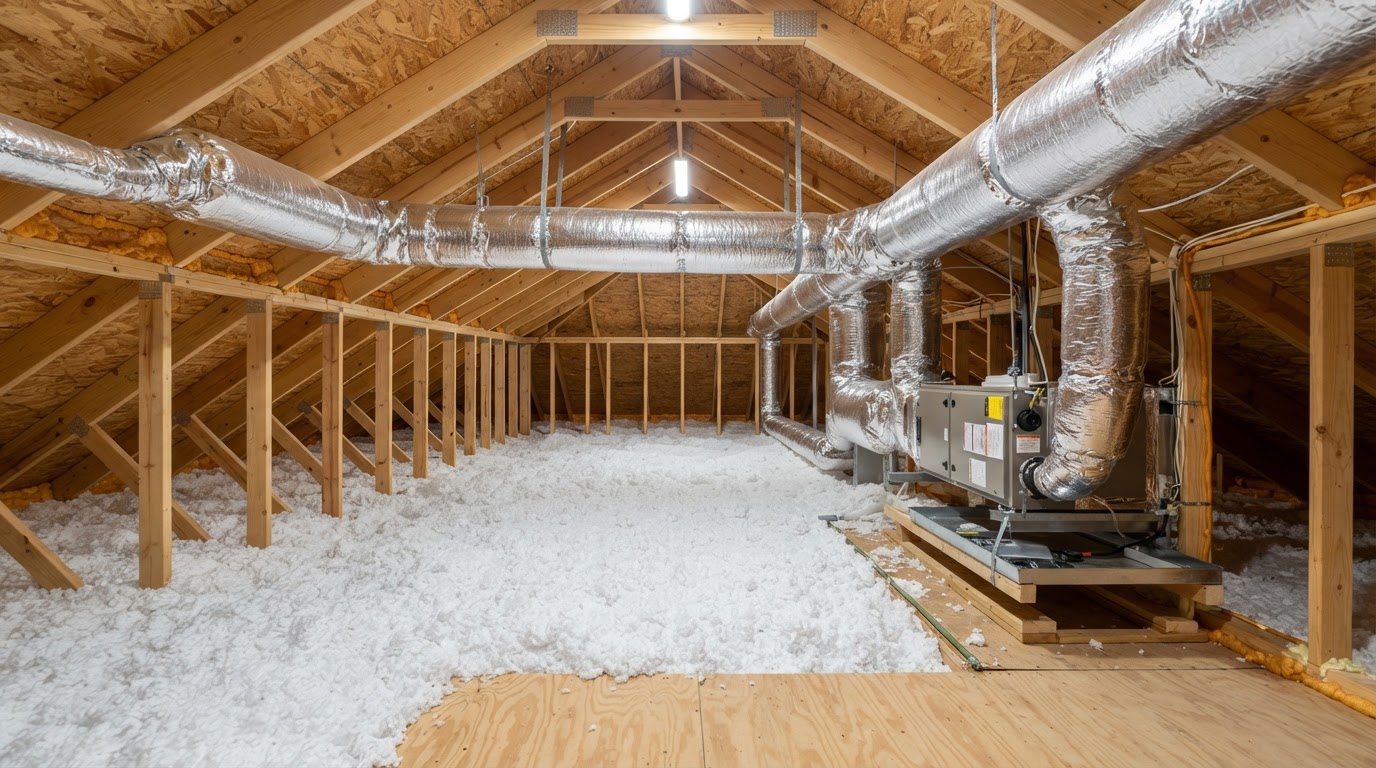
Orange County Attic Fixup: Turning a Neglected Attic Into a Better Performing Space
An attic fixup is different from a single repair. It is often needed when several small problems have accumulated: uneven insulation, old debris, damaged vent screens, air leaks, dusty or compressed materials, minor water staining, or signs that animals once used the space. Orange County Attic Fixup should organize those issues into a practical restoration sequence.
The useful question is not how to make the attic look cleaner. It is how to make the space function better. That can involve correcting moisture sources, sealing air leaks, restoring ventilation paths, repairing damaged areas, improving insulation where appropriate, and creating a cleaner baseline for future inspections. A good fixup gives the homeowner a more understandable attic, not just a prettier one.
Start With the Cause, Not the Most Visible Symptom
Attic problems can be deceptive because damage often appears far from its source. Water can travel along framing before it creates a stain. Air leakage can darken insulation where household air filters through it. Heat buildup can be related to ventilation, insulation, air sealing, or a combination of those conditions.
A good inspection therefore follows evidence. It looks at roof penetrations, attic-floor openings, vents, insulation depth and condition, ducts, framing, wiring, and any visible signs of animals or moisture.
This cause-first approach helps prevent repairs that look complete but leave the original failure untouched.
Moisture Problems Need Priority
Wet or damp insulation should not simply be buried under new material. ENERGY STAR recommends correcting moisture problems before proceeding with major air-sealing or insulation work. Moldy or rotted rafters and floor joists also warrant professional attention before insulation is added.
The source can vary. Roof leaks, bathroom or kitchen exhaust venting into the attic, condensation, plumbing issues, and uncontrolled air leakage from the home can all introduce moisture.
EPA emphasizes that moisture control is central to controlling mold. Repairing the water or moisture source is therefore part of the attic solution, not a separate cosmetic task.
A Fixup Should Create Order Before It Adds Materials
Neglected attics can accumulate loose wiring, displaced insulation, stored debris, old pest evidence, blocked vents, and hard-to-reach problem areas. A fixup should first create safe access and identify which materials can stay.
That may mean relocating debris, marking walkable areas, exposing air leaks that need sealing, and opening blocked ventilation paths.
Only after the space is understood should new insulation or finish work be added. Organization is part of the repair because it makes future maintenance safer and more predictable.
Use the Fixup to Establish a Maintenance Baseline
One advantage of a broader attic fixup is that it gives the homeowner a new reference point. After obvious defects are corrected and the space is documented, future changes become easier to notice.
New staining, displaced insulation, animal droppings, damaged vents, or condensation can be compared with the post-project condition.
That baseline can turn attic maintenance from guesswork into periodic inspection of known vulnerable areas.
Why Before-and-After Documentation Matters
Attic work is difficult to evaluate from the living space because most of the project disappears once insulation is restored. Before-and-after photos can show air-sealing locations, vent clearance, repaired openings, duct conditions, damaged materials, and insulation coverage.
Documentation also helps with future maintenance. A homeowner can compare new staining, displaced insulation, or damaged vents with the condition immediately after the project.
This is especially useful when several contractors are involved because it creates a record of which conditions were corrected at each stage.
Should attic air sealing happen before adding insulation?
ENERGY STAR recommends sealing attic air leaks before adding insulation so the insulation can perform more effectively.
Does all old attic insulation need to be removed?
No. Existing insulation can often remain when it is dry, not moldy or foul-smelling, and not contaminated by animal waste or blocking necessary repairs.
Can insulation cover soffit vents?
No. ENERGY STAR warns against covering soffit vents because those openings help maintain attic airflow.
What attic conditions should be corrected before insulation work?
Wet insulation, roof leaks, mold or rot, poor ventilation, some older wiring conditions, and exhaust fans venting into the attic should be evaluated first.
Why does moisture matter in attic repair?
EPA identifies moisture control as the key to controlling mold. Repairing the source of water or excess moisture is essential before damaged materials are replaced.
How can I compare attic repair proposals?
Compare the inspection findings, included and excluded work, repair sequence, ventilation and air-sealing details, insulation scope, and follow-up process rather than price alone.
Have Questions About Your Attic in Orange County?
Our specialists inspect your attic, identify moisture or rodent entry points, and give you an upfront, no-pressure repair plan.