Orange County Attic Insulation: A Smarter Path to Comfort and Efficiency
Insulation is part of an integrated system. Learn how air sealing, ventilation, moisture barriers, and proper R-value work together for maximum home efficiency.
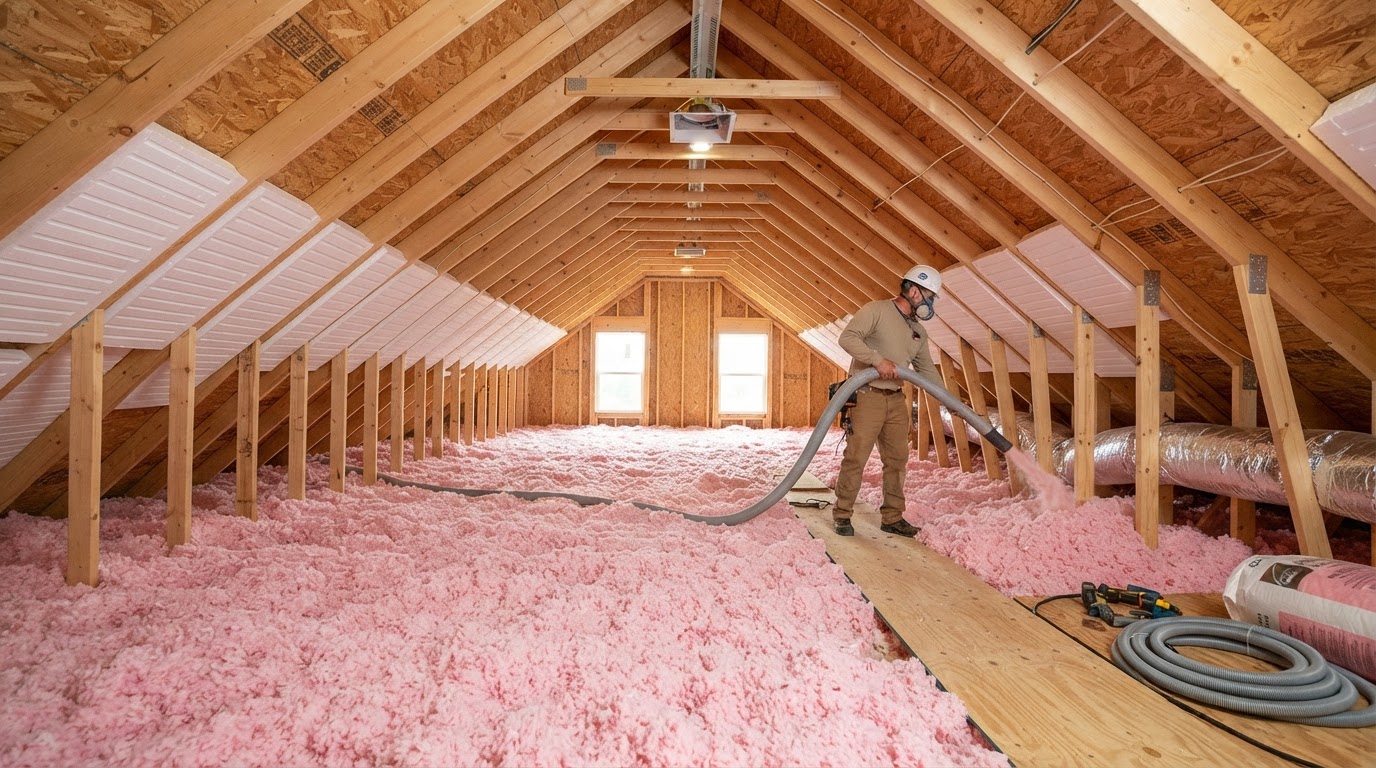
Orange County Attic Insulation: A Smarter Path to Comfort and Efficiency
Insulation is often treated as a simple matter of adding more material, but attic performance depends on several systems working together. Orange County Attic Insullation, using the keyword exactly as supplied, should be approached as a project that considers air leakage, moisture, ventilation, insulation depth, existing materials, ducts, and safety conditions before new insulation is installed.
ENERGY STAR recommends sealing attic air leaks before adding insulation because insulation performs better when uncontrolled air movement is reduced. It also warns against blocking soffit vents. The best insulation project is therefore not simply a thicker layer. It is a coordinated upgrade that improves thermal resistance while preserving ventilation and avoiding hidden moisture or safety problems.
Start With the Cause, Not the Most Visible Symptom
Attic problems can be deceptive because damage often appears far from its source. Water can travel along framing before it creates a stain. Air leakage can darken insulation where household air filters through it. Heat buildup can be related to ventilation, insulation, air sealing, or a combination of those conditions.
A good inspection therefore follows evidence. It looks at roof penetrations, attic-floor openings, vents, insulation depth and condition, ducts, framing, wiring, and any visible signs of animals or moisture.
This cause-first approach helps prevent repairs that look complete but leave the original failure untouched.
Moisture Problems Need Priority
Wet or damp insulation should not simply be buried under new material. ENERGY STAR recommends correcting moisture problems before proceeding with major air-sealing or insulation work. Moldy or rotted rafters and floor joists also warrant professional attention before insulation is added.
The source can vary. Roof leaks, bathroom or kitchen exhaust venting into the attic, condensation, plumbing issues, and uncontrolled air leakage from the home can all introduce moisture.
EPA emphasizes that moisture control is central to controlling mold. Repairing the water or moisture source is therefore part of the attic solution, not a separate cosmetic task.
Air Sealing Often Comes Before More Insulation
ENERGY STAR recommends sealing attic air leaks before adding insulation. Common leakage areas include wall top plates, plumbing and electrical penetrations, dropped soffits, attic hatches, and other openings between the living space and attic.
Air sealing matters because insulation slows heat transfer, while air leaks allow conditioned air and moisture to move directly through gaps.
A project that adds insulation without addressing major leaks can improve coverage while leaving a significant source of discomfort and energy waste in place.
Ventilation Must Stay Open and Functional
Attic ventilation and insulation should work together. ENERGY STAR warns that soffit vents should not be covered with insulation because those vents help maintain airflow through the attic.
Rafter vents or baffles can help preserve a clear channel between soffit vents and higher roof vents where that system is appropriate.
More insulation is not automatically better if the installation blocks ventilation. Good attic work respects the airflow path instead of treating every open space as somewhere to pack material.
Existing Insulation Does Not Always Need to Be Removed
Old insulation can look dusty or uneven without being automatically unusable. ENERGY STAR notes that existing insulation can often remain in place when it is not wet, moldy, smelly, or contaminated by animal waste.
Removal makes more sense when the material is damaged, contaminated, obstructing necessary repairs, or preventing access to air-sealing locations.
This distinction can save unnecessary work while still allowing the attic to be upgraded properly.
Older Wiring and Heat-Producing Fixtures Need Care
Attics contain electrical components that affect how insulation can be installed. ENERGY STAR cautions that certain older recessed light fixtures need appropriate covers and clearance, and it recommends professional attention when knob-and-tube wiring is present.
Insulation should never be installed in a way that creates an electrical or heat hazard.
An attic contractor should recognize when electrical conditions fall outside the normal insulation scope and should recommend qualified help when necessary.
Ducts Can Influence Attic Comfort and Efficiency
Many homes have ducts running through the attic. Damaged, disconnected, or poorly sealed ducts can affect comfort and can complicate insulation work.
ENERGY STAR advises making sure attic ducts are well sealed before burying them in insulation. Workers should also avoid stepping on or damaging ductwork during the project.
A careful attic repair plan includes ducts in the inspection even when the main complaint is insulation or temperature.
Animal Damage Can Change the Repair Sequence
Rodents and other animals can disturb insulation, leave waste, damage flexible ducts, and create or enlarge entry points. If active animal use is still occurring, repair work should account for that before new insulation is installed.
Contaminated materials may need to be removed rather than covered. Open wildlife entry points may also need to be addressed at the appropriate time.
The attic should be stable enough that new repair work is not immediately damaged by the same activity.
Think in R-Value, Coverage, and Continuity
Insulation performance is measured by R-value, which reflects resistance to heat flow. ENERGY STAR notes that many attics are commonly upgraded toward levels around R-38, though the appropriate target can vary by climate, existing construction, material, and local requirements.
Depth alone is not the whole story. Uneven coverage, compressed batts, gaps around framing, and thin areas near eaves can reduce performance.
A strong insulation plan aims for consistent coverage while preserving ventilation and required clearances.
Adding Insulation Is Different From Replacing Insulation
When existing material is dry, clean enough, and compatible with the planned work, new insulation can often be added over it. ENERGY STAR notes that different insulation types can sometimes be layered when installed appropriately.
Replacement becomes more reasonable when insulation is wet, moldy, foul-smelling, contaminated by animals, badly damaged, or blocking access to needed repairs.
This distinction helps keep the scope focused on performance rather than assuming every older attic needs a full tear-out.
Avoid Solving an Energy Problem by Creating a Moisture Problem
Comfort and energy efficiency matter, but attic upgrades should not compromise moisture management. Air sealing, insulation, and ventilation need to be considered together.
A project that blocks ventilation or covers wet material can create hidden problems even if the attic initially looks improved. Similarly, adding insulation before correcting a roof leak can make future damage harder to see.
The most durable result balances thermal performance with drying potential, ventilation, and moisture control.
Should attic air sealing happen before adding insulation?
ENERGY STAR recommends sealing attic air leaks before adding insulation so the insulation can perform more effectively.
Does all old attic insulation need to be removed?
No. Existing insulation can often remain when it is dry, not moldy or foul-smelling, and not contaminated by animal waste or blocking necessary repairs.
Can insulation cover soffit vents?
No. ENERGY STAR warns against covering soffit vents because those openings help maintain attic airflow.
What attic conditions should be corrected before insulation work?
Wet insulation, roof leaks, mold or rot, poor ventilation, some older wiring conditions, and exhaust fans venting into the attic should be evaluated first.
Why does moisture matter in attic repair?
EPA identifies moisture control as the key to controlling mold. Repairing the source of water or excess moisture is essential before damaged materials are replaced.
How can I compare attic repair proposals?
Compare the inspection findings, included and excluded work, repair sequence, ventilation and air-sealing details, insulation scope, and follow-up process rather than price alone.
Have Questions About Your Attic in Orange County?
Our specialists inspect your attic, identify moisture or rodent entry points, and give you an upfront, no-pressure repair plan.