Orange County Attic Repair: A Practical Guide to Finding and Fixing the Real Problem
Attic problems rarely arrive as a single issue. Learn how to diagnose underlying causes—from moisture and rodent entry to air leaks—before replacing materials.
Orange County Attic Repair: A Practical Guide to Finding and Fixing the Real Problem
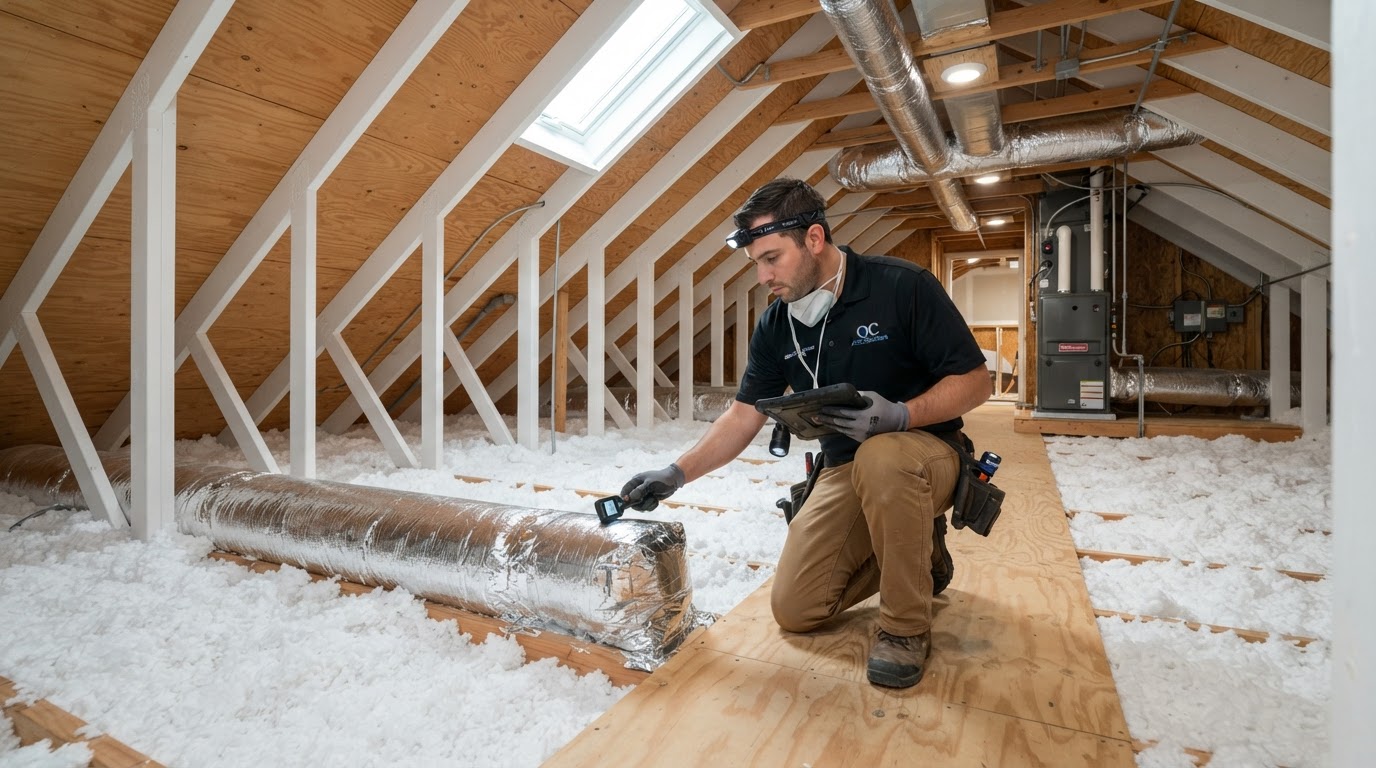
Attic problems rarely arrive as a neat, single issue. A homeowner may notice a hot upper floor, damaged insulation, staining, odors, pest evidence, uneven temperatures, or a ceiling area that suddenly looks different. Orange County Attic Repair should begin by identifying what failed before deciding what to replace.
That distinction matters because the attic is a system. Insulation, air sealing, roof and vent penetrations, ventilation, ducts, wiring, moisture conditions, and pest access can affect one another. Replacing insulation without correcting an air leak, roof leak, blocked soffit vent, or animal entry point can leave the underlying problem in place. A stronger repair plan starts with diagnosis, corrects active defects in the right order, and then restores the attic so the work can perform as intended.
Repair Starts With a Problem List, Not a Material List
The first inspection should document what is actually wrong. That may include compressed or displaced insulation, obvious air gaps, stained materials, damaged ducts, blocked vents, loose access panels, evidence of pests, or areas where insulation no longer covers the attic floor evenly.
A useful report separates active problems from old evidence. A stain that is dry and stable is different from current moisture. Old droppings are different from continuing pest activity. Insulation that has merely settled is different from material that is wet, contaminated, or physically damaged.
This problem list helps prevent unnecessary replacement. It also gives the repair work a sequence, which is important because some attic conditions must be corrected before insulation or finish work begins.
Moisture Problems Need to Be Solved Before Cosmetic Repair
Moisture can affect wood, insulation, fasteners, stored materials, and indoor comfort. If the attic contains wet insulation, moldy or rotted framing, or obvious signs of a roof or ventilation problem, covering the area with fresh insulation is not a repair.
ENERGY STAR recommends correcting conditions such as wet or damp insulation, moldy or rotted rafters or joists, and bathroom, kitchen, or dryer vents that terminate in the attic before proceeding with an attic sealing project.
EPA also emphasizes that mold control depends on moisture control. The practical lesson is simple: find and correct the water source first. Cleanup and material replacement come after the cause is addressed.
Air Leaks Can Make an Attic Look Like an Insulation Problem
Warm or conditioned air can move from the living space into the attic through gaps around plumbing, wiring, attic hatches, recessed fixtures, dropped soffits, wall tops, and other penetrations. Dirty or darkened insulation can sometimes show where air has been filtering through.
ENERGY STAR recommends air sealing before adding insulation because insulation performs better when uncontrolled air movement is reduced first.
This is why a repair estimate should not focus only on insulation depth. If major air leaks remain open, adding more material may improve resistance to heat flow while still allowing significant air leakage. Repairing the boundary first helps the insulation do the job it was intended to do.
Ventilation Must Stay Open While the Attic Is Improved
Attic ventilation and insulation have different jobs, and one should not disable the other. Soffit vents need a clear path for outdoor air to enter the attic and move toward higher exhaust vents where the design calls for it.
ENERGY STAR warns against covering soffit vents with insulation and recommends rafter vents or baffles where needed to preserve airflow at the eaves.
A repair project should therefore check whether insulation has drifted or been pushed into ventilation paths. Restoring insulation without restoring airflow can create a new problem. The best attic repair respects both the thermal boundary and the ventilation system.
Old Insulation Does Not Always Need to Be Removed
Many homeowners assume that attic repair automatically means complete insulation removal. ENERGY STAR notes that existing insulation can often remain if it is dry, not moldy, not smelly, and not contaminated with animal waste.
Removal becomes more reasonable when material is wet, heavily contaminated, damaged, or obstructing repair work. The decision should be based on condition rather than age alone.
This can change the scope and cost of a project significantly. A careful contractor should be able to explain why removal is necessary, which areas are affected, and whether undamaged material can stay in place.
Attic Repairs Should Account for Recessed Lights, Wiring, and Ducts
The attic contains components that should not be buried or altered casually. Some recessed light fixtures require clearance or approved covers. Older wiring can create special insulation concerns. Ducts should not be crushed or damaged during access.
ENERGY STAR specifically identifies certain conditions, including knob-and-tube wiring and older recessed lighting situations, as reasons to use extra care or professional help.
A quality repair plan recognizes these boundaries. Insulation installers, roofers, electricians, HVAC contractors, and restoration specialists may each have different responsibilities. The attic repair company should explain where its scope ends and when another trade is appropriate.
Pest Damage Should Be Separated From the Entry Problem
Rodents and wildlife can disturb insulation, create openings, leave waste, and damage flexible ducts or stored materials. Cleaning or replacing the affected insulation does not stop the same animals from returning if the entry route remains open.
A repair sequence should first determine whether pest activity is active. Entry points can then be addressed at the appropriate time, followed by cleanup and restoration.
This approach avoids spending money on fresh insulation only to have it disturbed again. The repaired attic should not only look cleaner. It should also be less accessible to the source of the damage.
A Good Repair Sequence Prevents Rework
The most efficient order depends on the property, but the logic is consistent. First diagnose active moisture, pest, electrical, duct, or structural problems. Next correct the conditions that would damage new work. Then air seal where appropriate, restore ventilation paths, repair damaged components, and address insulation.
Doing the work out of order can create rework. New insulation may need to be removed to reach an air leak. A repaired vent may be covered again. Fresh material can be contaminated if pests are still active.
A written sequence makes the project easier to understand and gives the homeowner a way to compare competing proposals.
How to Evaluate Whether the Repair Worked
The attic should be rechecked after work is complete. Look for even insulation coverage, open ventilation paths, completed air sealing where included, repaired access points, and no obvious new moisture or pest signs.
Comfort improvements may take time to judge because outdoor weather changes, but the physical work can be verified immediately. Photographs before and after repair are useful when the attic is difficult for the homeowner to access.
A final walkthrough or documentation package helps turn attic repair from a collection of tasks into a completed project with a clear endpoint.
When Professional Evaluation Is the Safer Choice
Attics can contain tight spaces, fragile ceiling surfaces, heat, electrical components, contaminated materials, and limited walking areas. Some repairs are reasonable DIY work for experienced homeowners, while others are not.
ENERGY STAR recommends professional help when conditions include difficult access, wet insulation, mold or rot, poor ventilation, certain older wiring, or other complications.
If your attic has multiple problems at once, contact Orange County Attic Cleanup to discuss an inspection and repair plan. The goal should be to correct the causes first, then restore the attic in an order that protects the work.
Common Mistakes That Can Undermine an Attic Project
A common mistake is treating the most visible symptom as the entire problem. Adding insulation over an air leak, cleaning pest debris before entry points are controlled, or painting over a moisture stain can create a cleaner appearance without changing the cause.
Another mistake is doing work in the wrong order. New insulation may have to be removed to reach a plumbing penetration or damaged duct. Baffles may need to be added after loose-fill material has already covered the eaves.
A well-planned attic project reduces this rework by diagnosing first, sequencing repairs, and verifying each stage before the next layer hides it.
Questions to Ask Before Approving the Scope
Ask which findings are active and which are historical. Ask what must be corrected before insulation or cleanup proceeds. Ask what material can remain and why any removal is necessary.
Also ask how ventilation will be protected, whether air sealing is included, how ducts and fixtures will be handled, and what work belongs to another trade.
These questions do not require the homeowner to become an attic expert. They simply make the contractor explain the reasoning behind the project in a way that can be compared with other proposals.
Why Documentation Helps After the Project
Attics are often out of sight for months or years at a time. Photographs, measurements, and a written scope create a baseline that can be useful after future roof, HVAC, electrical, or pest work.
If a new stain, odor, or insulation disturbance appears later, the homeowner can compare it with the completed condition instead of relying on memory.
Documentation is especially helpful when the attic cannot be safely accessed by the homeowner. It turns hidden work into something that can still be reviewed and maintained over time.
Should attic air sealing be done before adding insulation?
ENERGY STAR recommends sealing attic air leaks before adding insulation so the insulation can perform more effectively.
Does all old attic insulation need to be removed?
No. Existing insulation can often remain when it is dry, not moldy, not smelly, and not contaminated by animal waste.
Can attic insulation cover soffit vents?
No. ENERGY STAR warns against blocking soffit vents and recommends maintaining a clear ventilation path at the eaves.
What attic conditions should be fixed before insulation work?
Wet insulation, active leaks, mold or rot, improper exhaust, difficult safety conditions, and certain wiring concerns should be evaluated first.
What is R-value?
R-value measures resistance to heat flow. Higher values generally provide greater thermal resistance, but installation quality and coverage also matter.
When should a homeowner consider professional attic help?
Professional help is appropriate when access is difficult, contamination is extensive, moisture or mold is present, electrical or roof issues are involved, or the project crosses several systems.
Have Questions About Your Attic in Orange County?
Our specialists inspect your attic, identify moisture or rodent entry points, and give you an upfront, no-pressure repair plan.